What is the Major Arcana in tarot?
A standard 78-card tarot deck has two parts: 22 Major Arcana cards and 56 Minor Arcana cards. “Arcana” comes from the Latin word for secrets or mysteries. Early Italian card players called these 22 illustrated cards trionfi (trumps), and occult writers later named them the Major Arcana because they carry the deck’s largest human archetypes.
When a Major Arcana card turns up in a tarot reading, it sets the overarching theme. A Minor Arcana card might show a busy week at work or a tense conversation; a Major Arcana card such as The Lovers, The Tower or The Star asks what this chapter of your life is really about, what you value, or what old structure is giving way to something new.
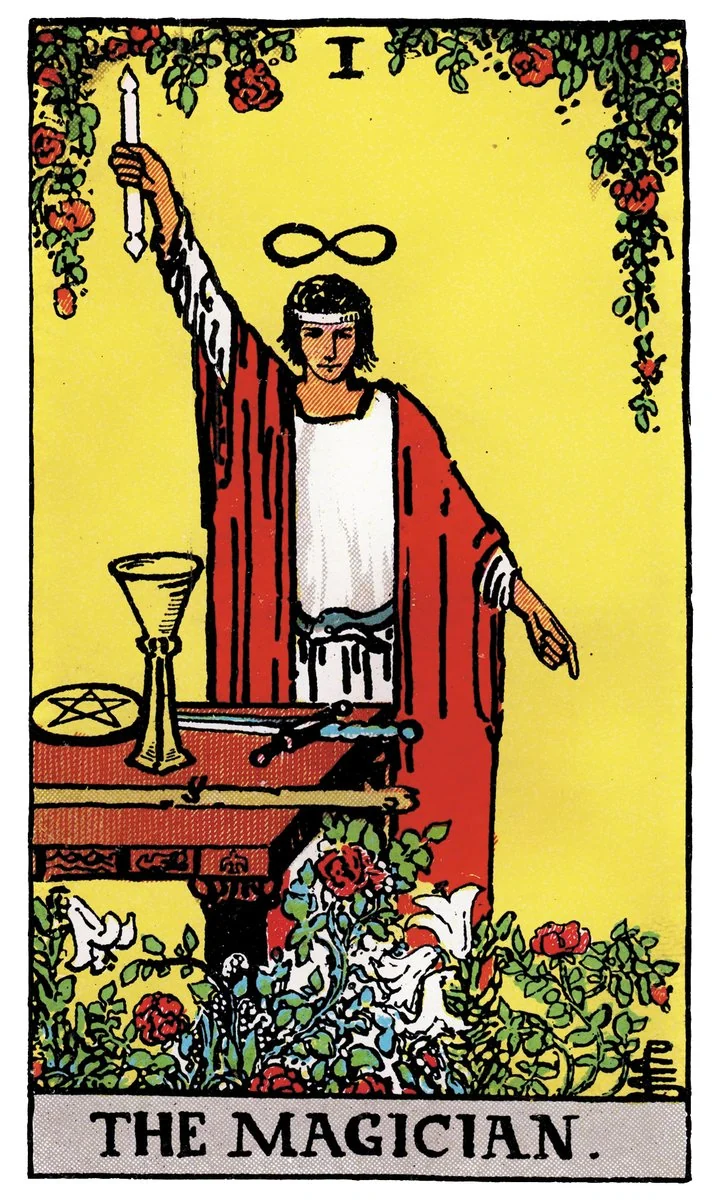
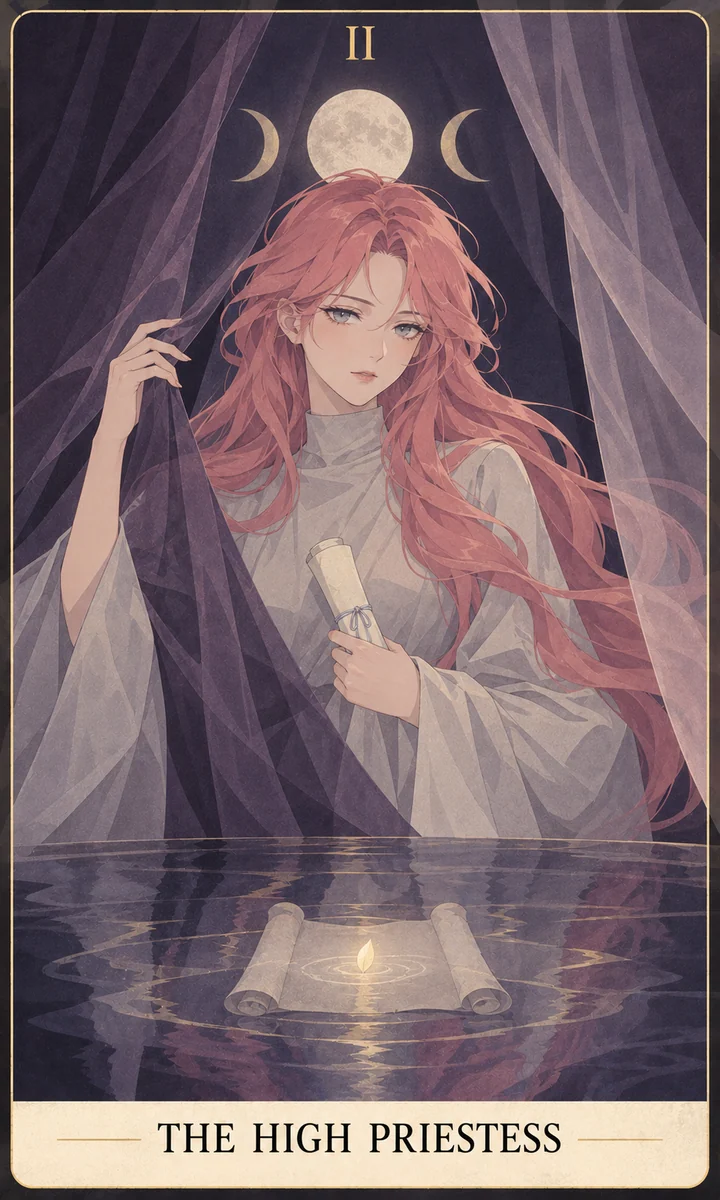
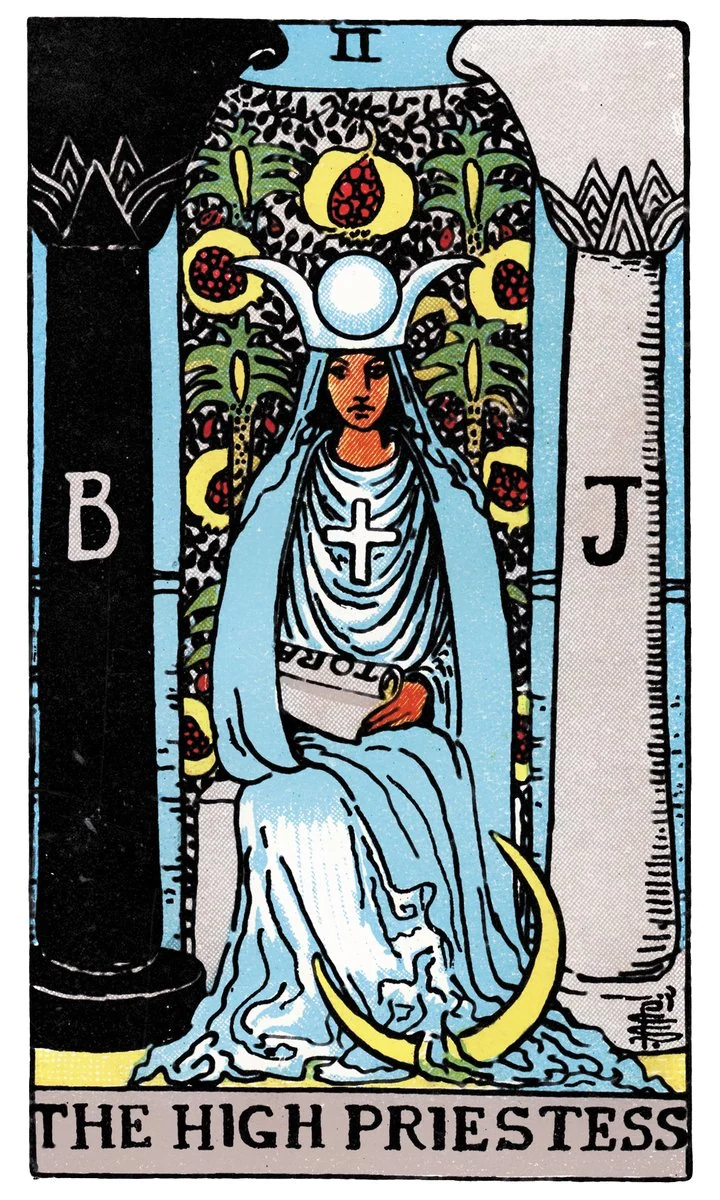
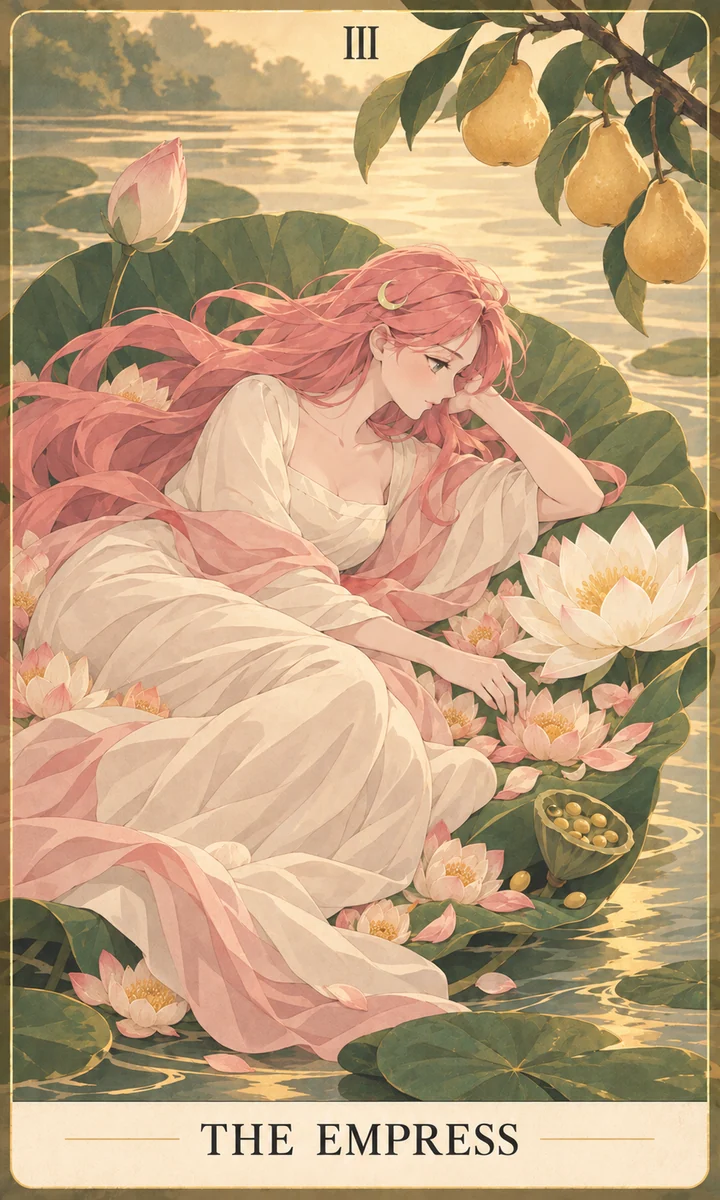
Every card below includes both Lunavale’s original watercolor artwork and the classic 1909 Rider–Waite–Smith (RWS) illustration, along with its upright keywords, reversed keywords and direct link to the full card guide.
- Major Arcana cards (0–XXI)
- 22
- Stages of the Fool’s Journey
- 3
- Total cards in a tarot deck
- 78
List of all 22 Major Arcana tarot cards (0 to XXI)
The 22 Major Arcana cards follow standard Rider–Waite–Smith numbering, with Strength at VIII and Justice at XI. Select any card to read its complete upright, reversed, love, career and yes-or-no interpretation.
| No. | Card | Upright keywords | Reversed keywords | Yes / No |
|---|---|---|---|---|
| 0 | The Fool | new beginnings, curiosity, a leap of faith, spontaneity | recklessness, ignored warning signs, fear of the unknown | Yes |
| I | The Magician | manifestation, skill, willpower, resourcefulness | unused talent, scattered focus, empty promises | Yes |
| II | The High Priestess | intuition, hidden knowledge, quiet observation, patience | ignored intuition, secrets, outside noise | Maybe |
| III | The Empress | nurturing, abundance, fertility, creativity | overgiving, burnout, smothering | Yes |
| IV | The Emperor | structure, stability, authority, leadership | rigid control, micromanagement, power struggles | Yes |
| V | The Hierophant | tradition, shared values, mentorship, learning | rebellion, questioning tradition, rigid rules | Yes |
| VI | The Lovers | love, attraction, shared values, a meaningful choice | mismatched values, uneven commitment, mixed signals | Yes |
| VII | The Chariot | determination, focus, willpower, self-discipline | scattered energy, inner conflict, stalled progress | Yes |
| VIII | Strength | inner strength, courage, patience, compassion | self-doubt, exhaustion, impatience | Yes |
| IX | The Hermit | soul-searching, introspection, solitude, inner guidance | isolation, loneliness, withdrawal | Maybe |
| X | The Wheel of Fortune | change, cycles, a turning point, good timing | delays, setbacks, repeating patterns | Yes |
| XI | Justice | fairness, truth, cause and effect, accountability | unfairness, bias, dishonesty | Yes |
| XII | The Hanged Man | a purposeful pause, surrender, a new perspective, letting go of control | stalling, indecision, pointless sacrifice | Maybe |
| XIII | Death | endings, transformation, letting go, closing a chapter | resisting change, holding on, an unfinished ending | No |
| XIV | Temperance | balance, moderation, patience, a steady pace | imbalance, excess, impatience | Yes |
| XV | The Devil | attachment, temptation, dependency, feeling trapped | starting to break free, seeing the pattern, new boundaries | No |
| XVI | The Tower | sudden change, upheaval, revelation, a shaky foundation | delayed upheaval, resisting change, inner turmoil | No |
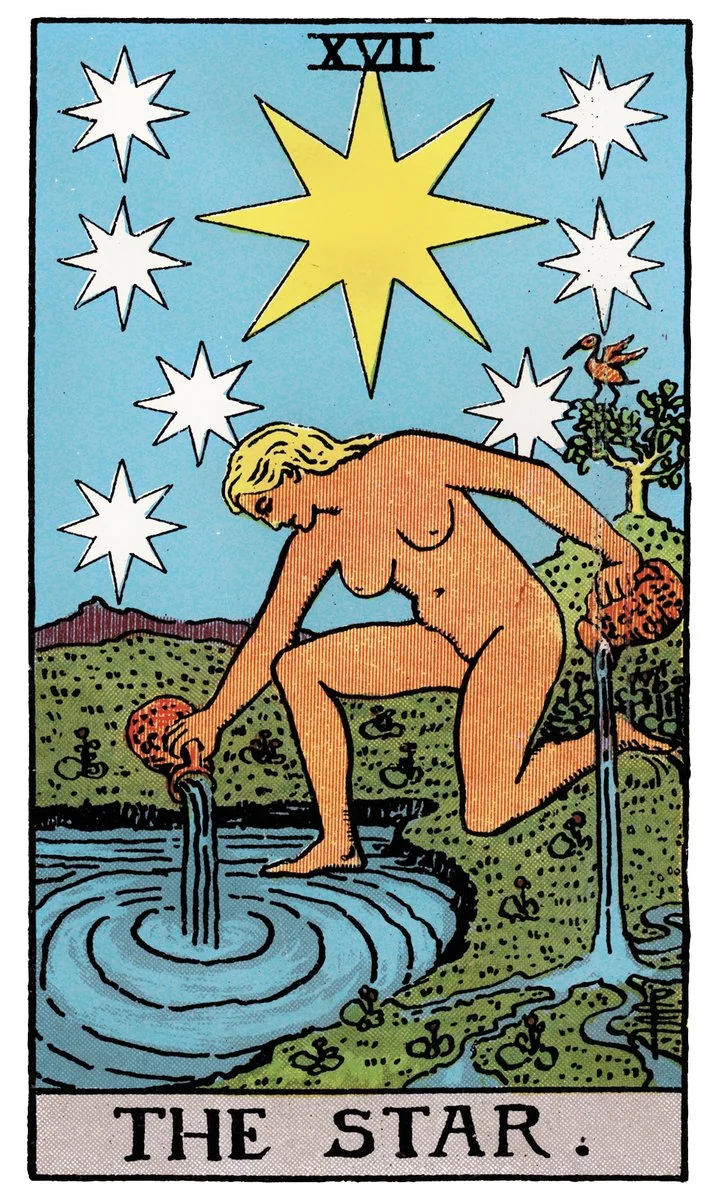
| XVII | The Star | hope, healing, renewal, faith in the future | discouragement, self-doubt, running on empty | Yes |
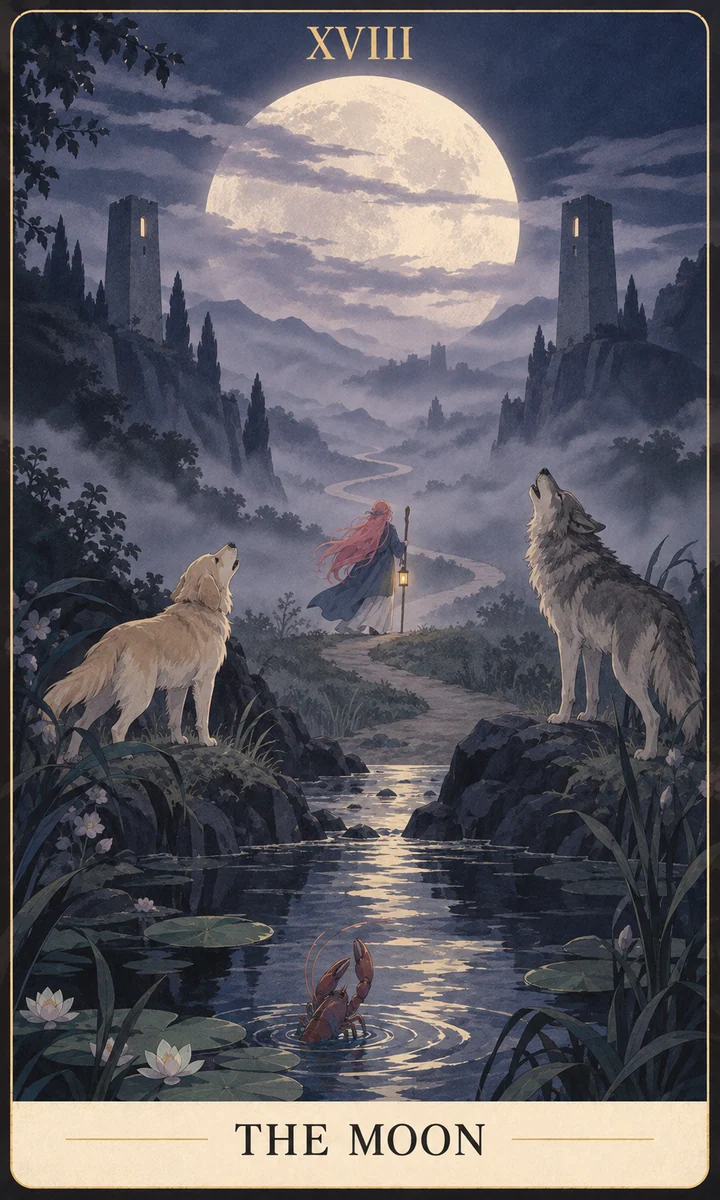
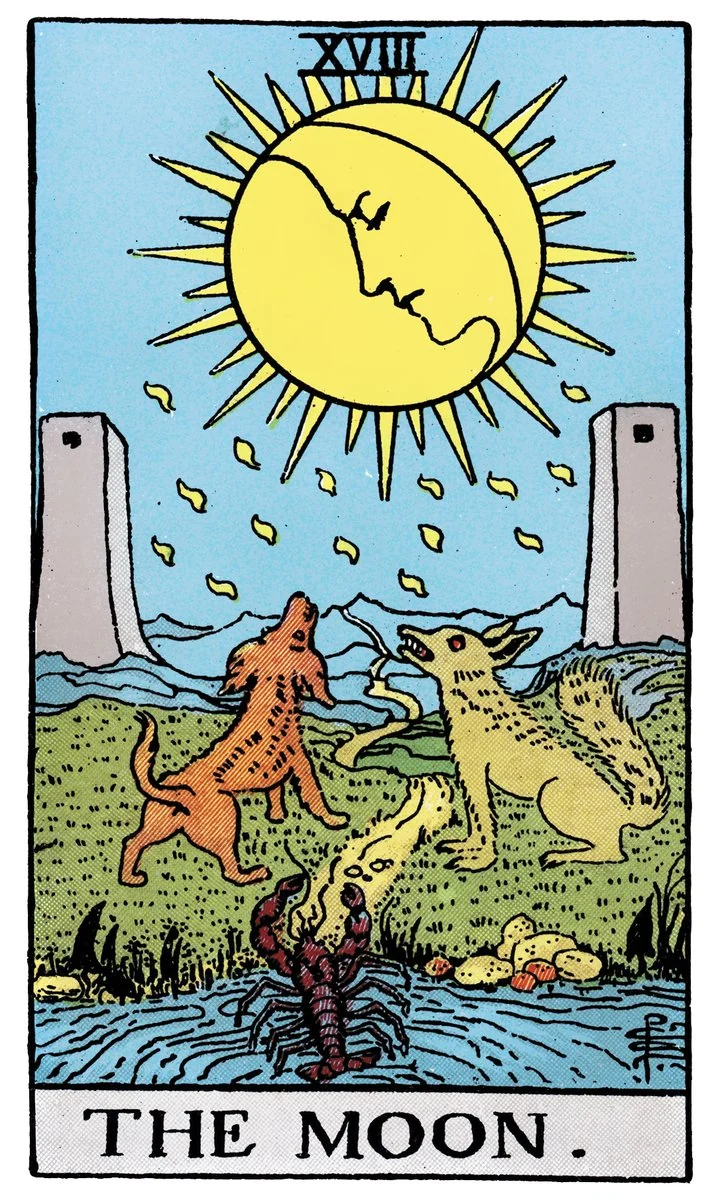
| XVIII | The Moon | uncertainty, intuition, illusion, anxiety | confusion lifting, seeing through an illusion, hidden information surfacing | Maybe |
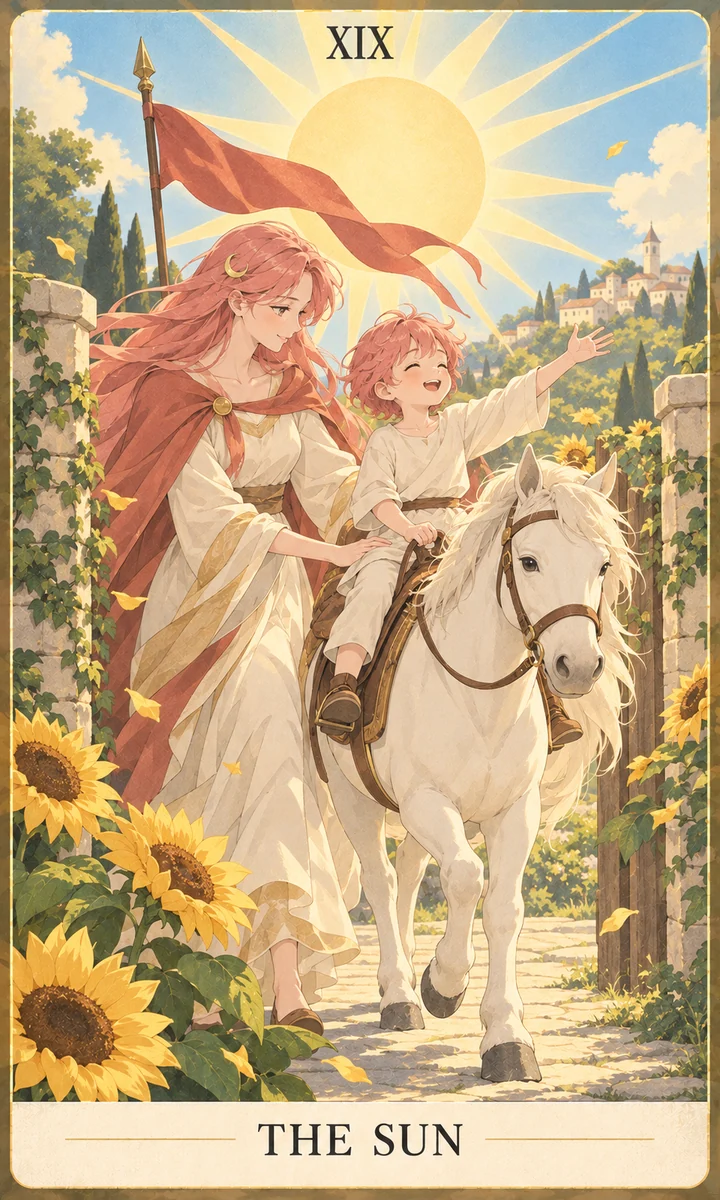
| XIX | The Sun | joy, success, clarity, warmth | delayed success, partial results, dimmed joy | Yes |
| XX | Judgement | awakening, reckoning, renewal, answering a calling | harsh self-criticism, guilt, self-doubt | Yes |
| XXI | The World | completion, achievement, fulfillment, wholeness | loose ends, unfinished business, delayed completion | Yes |
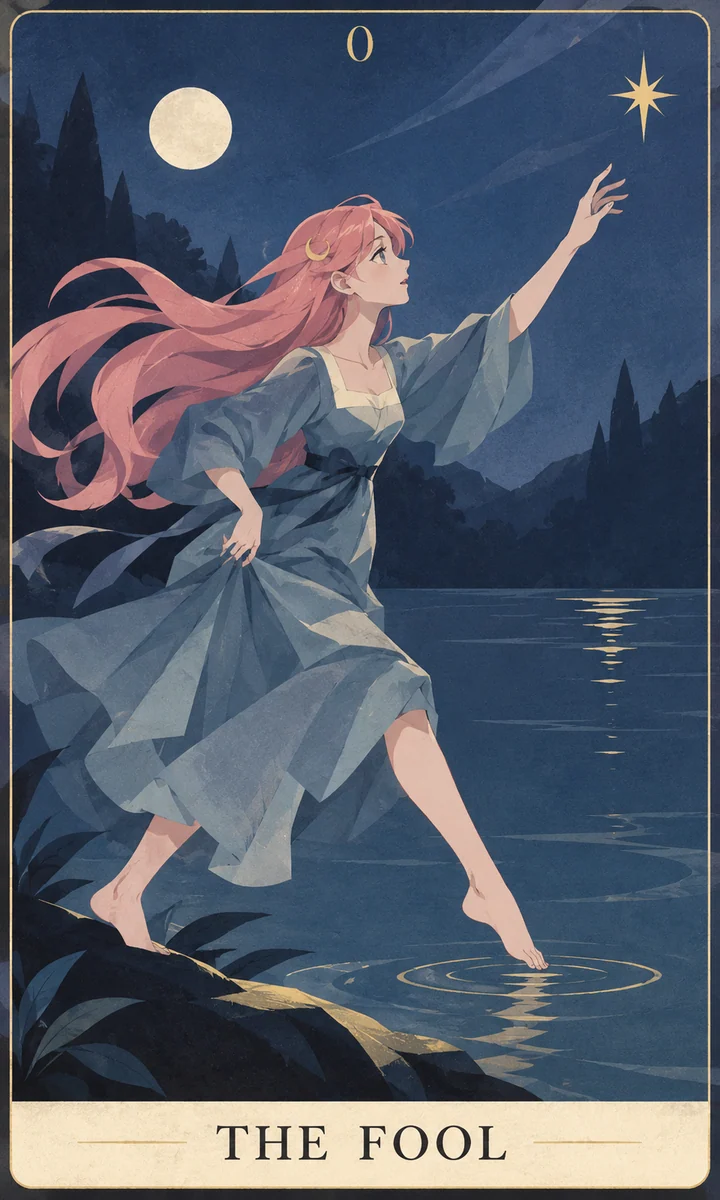
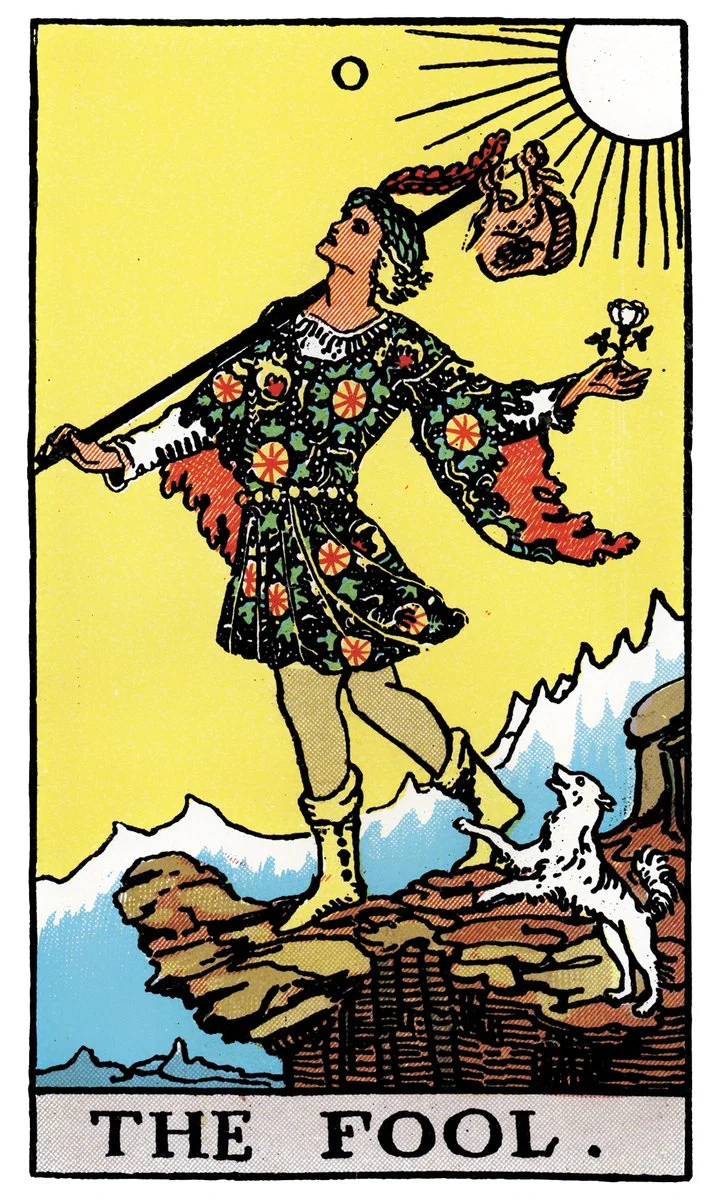
- new beginnings
- curiosity
- a leap of faith
- spontaneity
- traveling light
- Upright
- Upright, the Fool means a fresh start taken with an open mind: you’re willing to begin before everything is guaranteed and to learn along the way.
- Reversed
- Reversed, the Fool usually means your actions and your sense of risk are out of step: either you’re rushing ahead without looking, or fear of the unknown keeps you from starting at all.
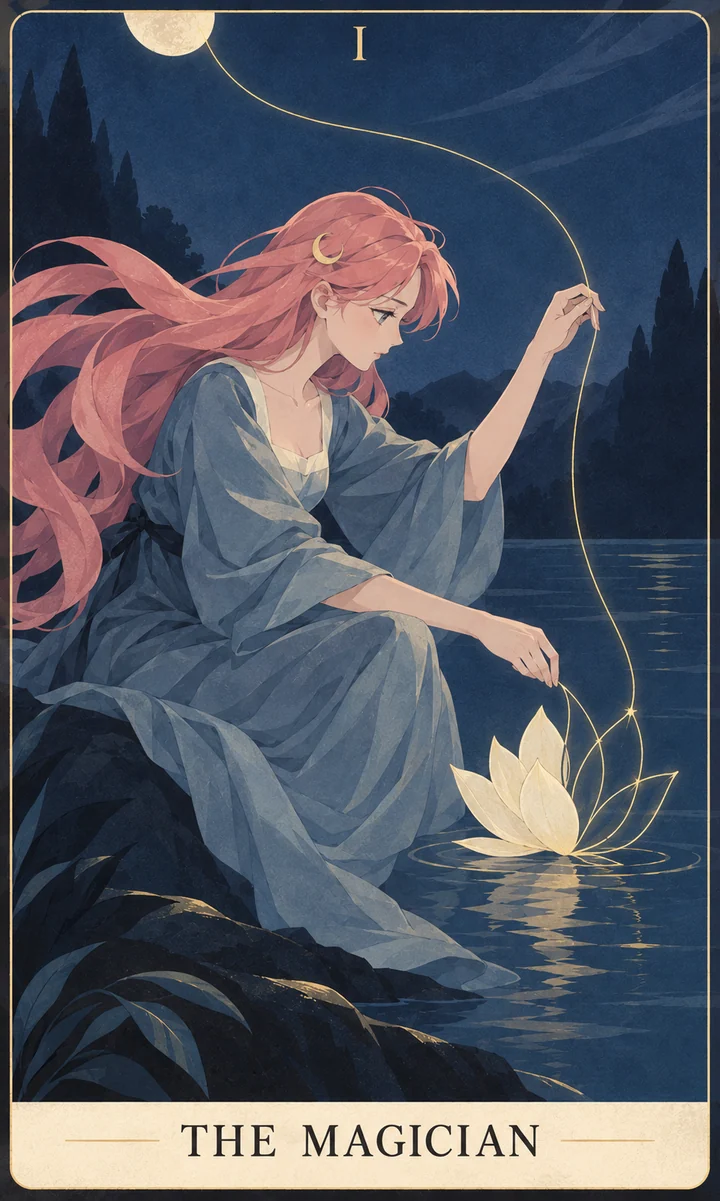
- manifestation
- skill
- willpower
- resourcefulness
- focus
- Upright
- Upright, the Magician means your intention, your tools and your actions line up, so you can get started, influence the outcome and say clearly what you want.
- Reversed
- Reversed, the Magician usually means a gap between intention and reality: skills sit unused, effort gets scattered, or the talk runs ahead of what someone can actually do.
- intuition
- hidden knowledge
- quiet observation
- patience
- privacy
- Upright
- Upright, the High Priestess means quiet discernment: trusting your intuition, staying patient while key information is still hidden, and checking your impressions against the facts.
- Reversed
- Reversed, the High Priestess usually means your inner clarity is clouded by other people’s opinions, or healthy privacy has hardened into secrecy, coldness and avoidance.
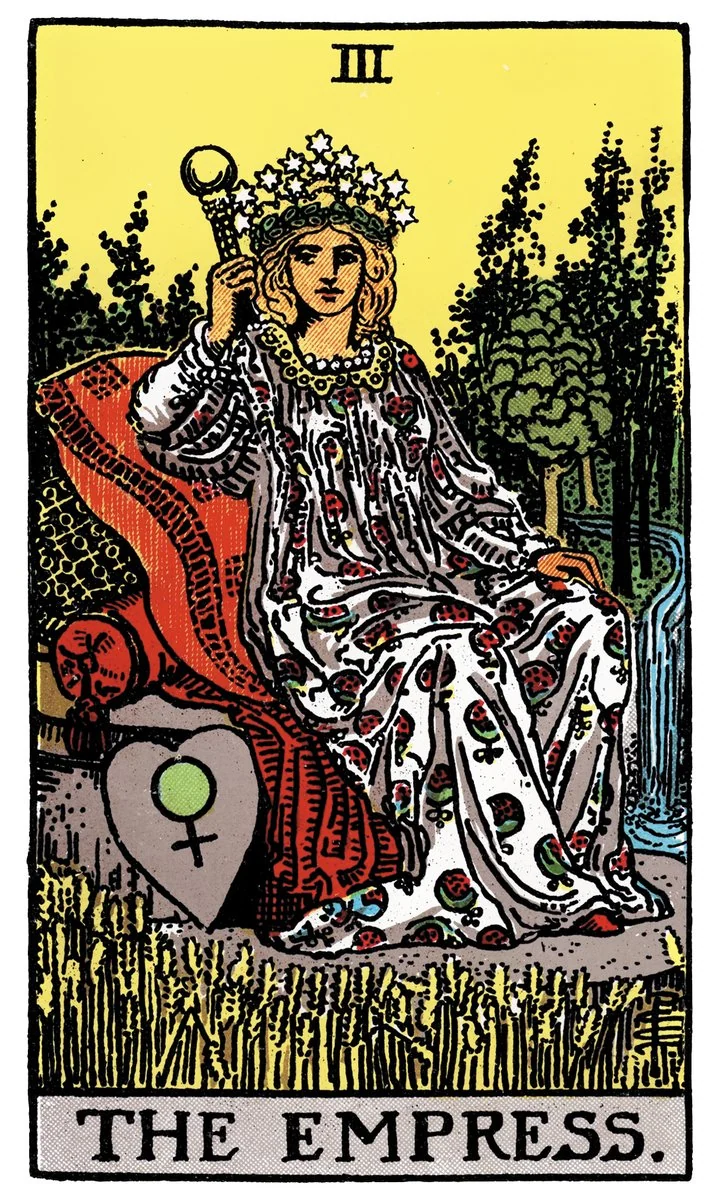
- nurturing
- abundance
- fertility
- creativity
- comfort and pleasure
- Upright
- Upright, the Empress means growth supported by steady care: things are incubating well, there’s comfort and abundance around you, and you’re able to receive and enjoy it.
- Reversed
- Reversed, the Empress usually means care has fallen out of balance: you’re giving until you’re empty, leaning on others for basic stability, or holding on so tightly that growth can’t happen.
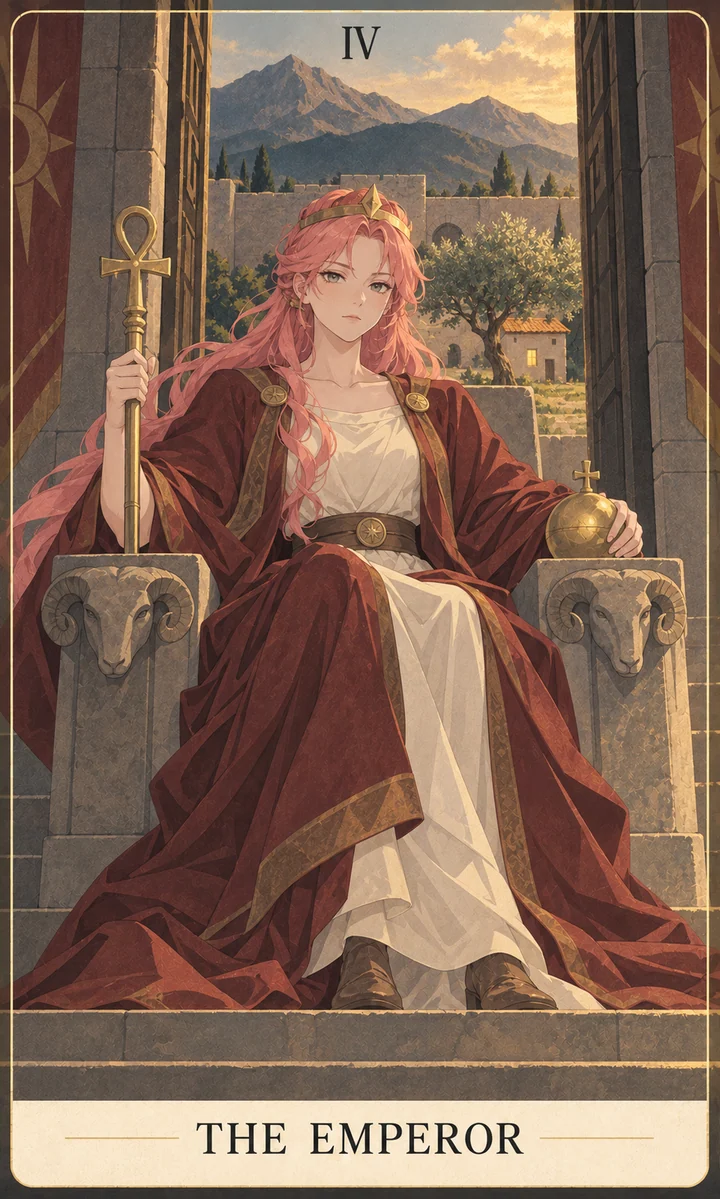
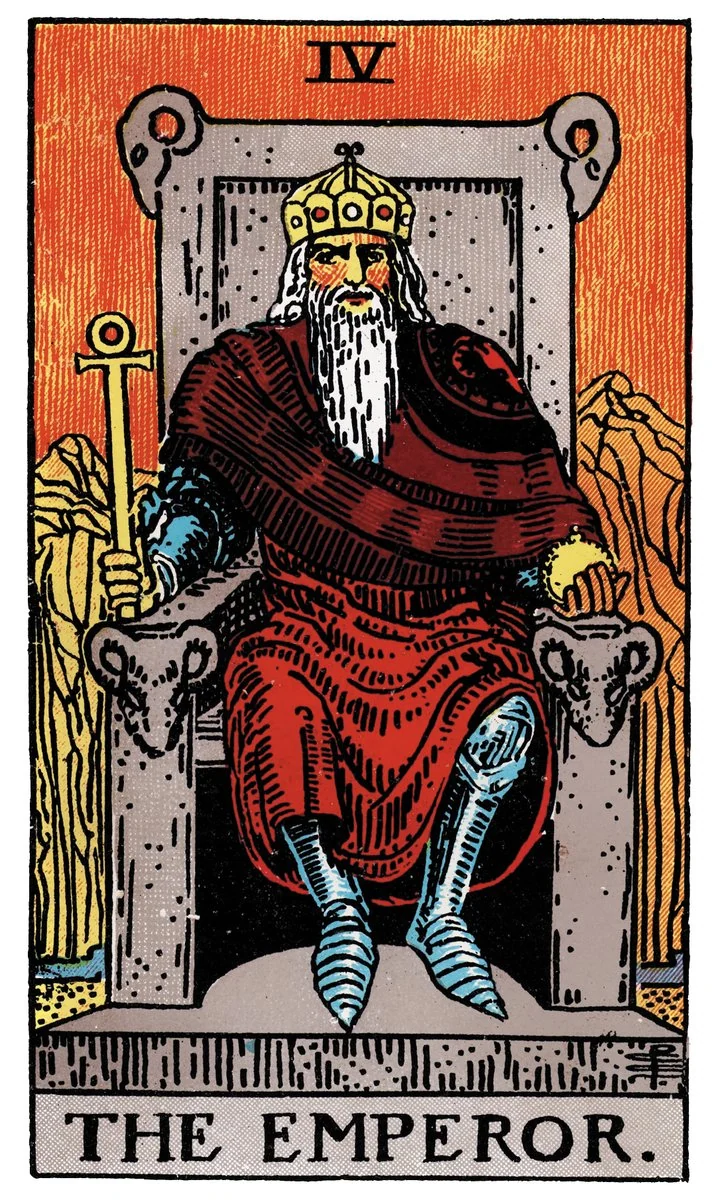
- structure
- stability
- authority
- leadership
- discipline
- Upright
- Upright, the Emperor means stability built on clear rules and responsible leadership: you set firm boundaries, take ownership of what’s yours and follow through with discipline.
- Reversed
- Reversed, the Emperor usually means power is out of balance: either rigid control and micromanagement, or a collapse of leadership, discipline and accountability.
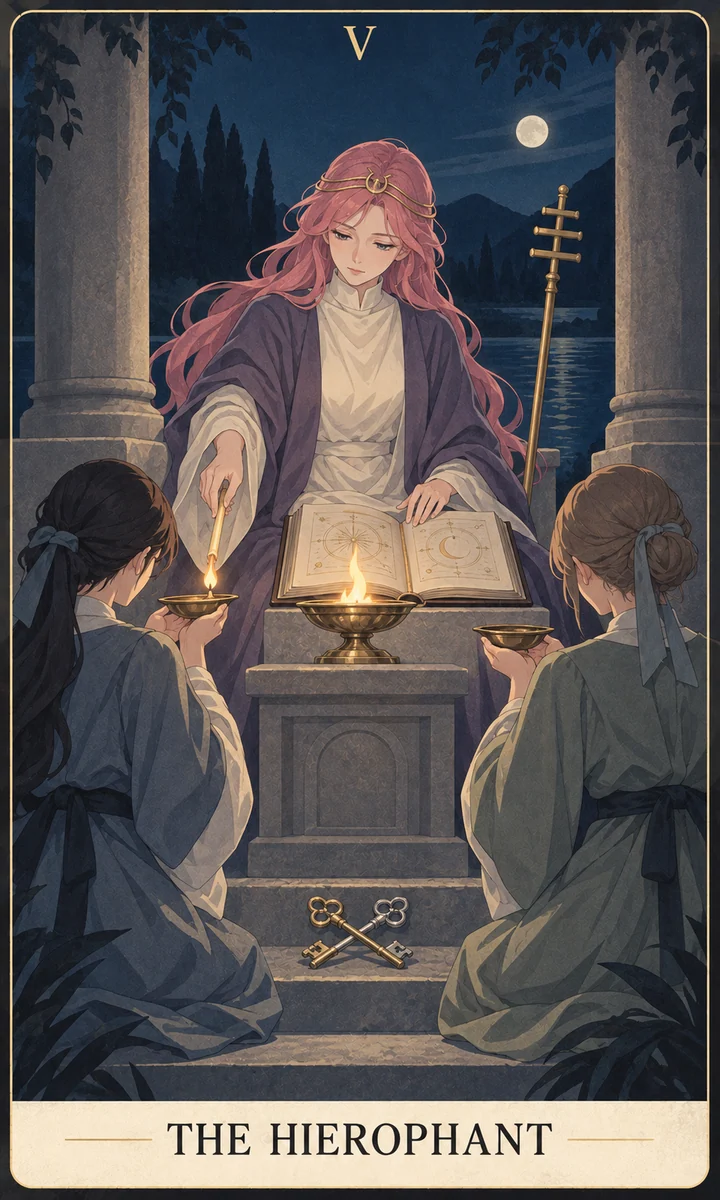
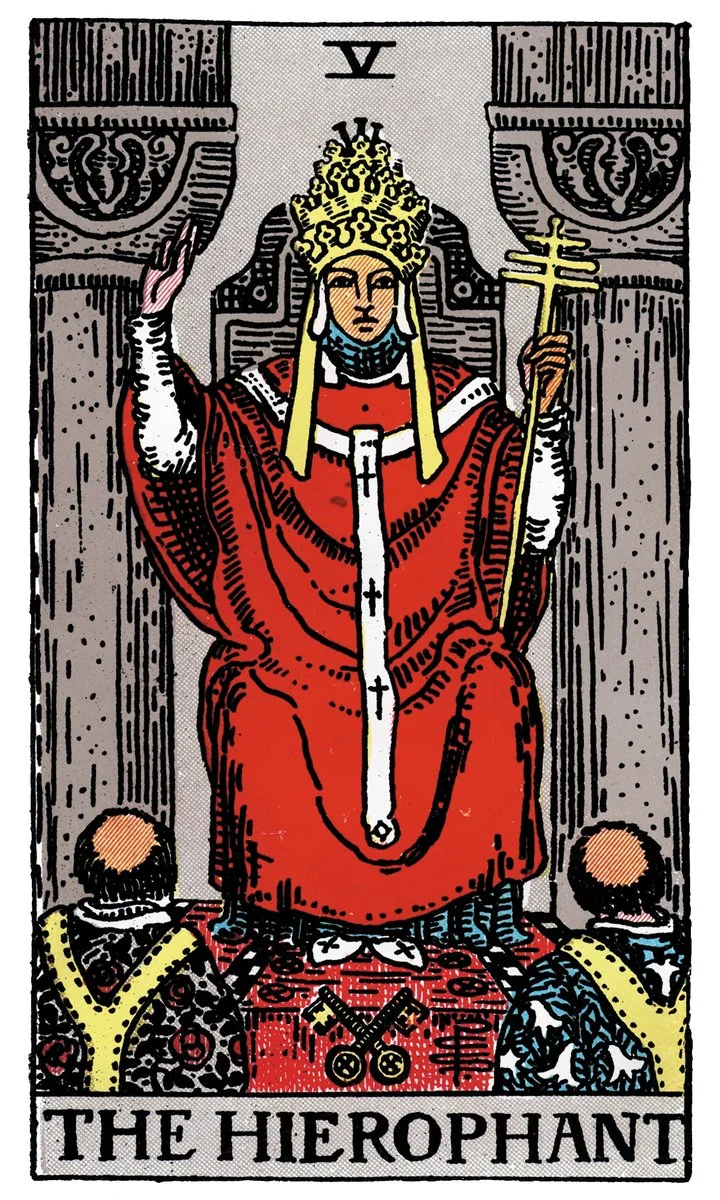
- tradition
- shared values
- mentorship
- learning
- institutions
- Upright
- Upright, the Hierophant means that established methods, experienced guidance and shared values are the way forward, and that it’s a good time to line your choices up with a framework others recognize.
- Reversed
- Reversed, the Hierophant usually means your own conscience is at odds with the rules or traditions around you, and the question is whether you’re thoughtfully going your own way or just rejecting structure.
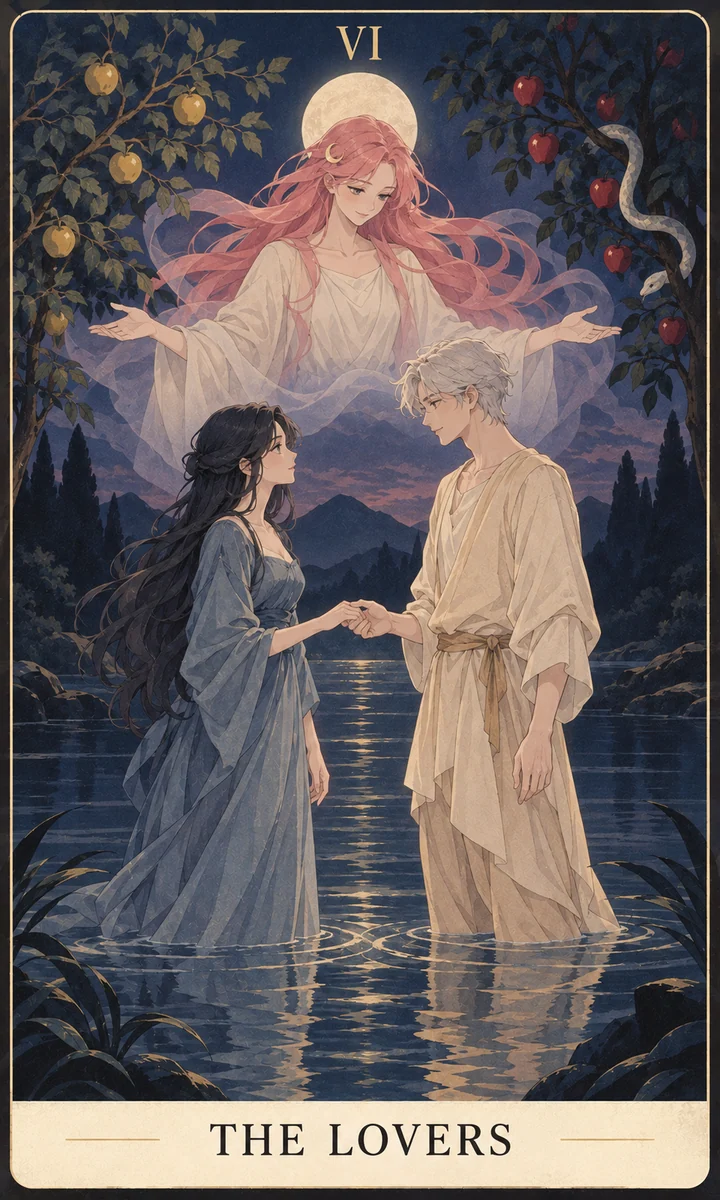
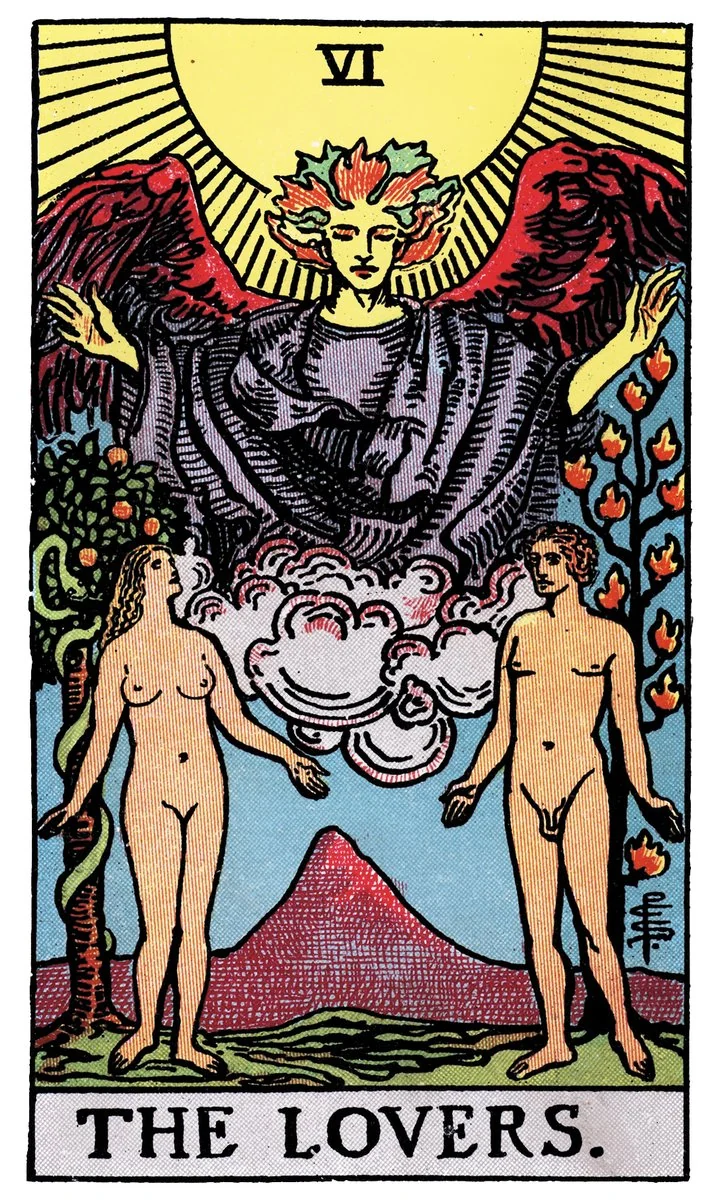
- love
- attraction
- shared values
- a meaningful choice
- commitment
- Upright
- Upright, the Lovers means a connection built on mutual recognition, and decisions that feel true to the person making them.
- Reversed
- Reversed, the Lovers usually means a mismatch: different needs, uneven effort, or a gap between what someone wants and what they actually choose.
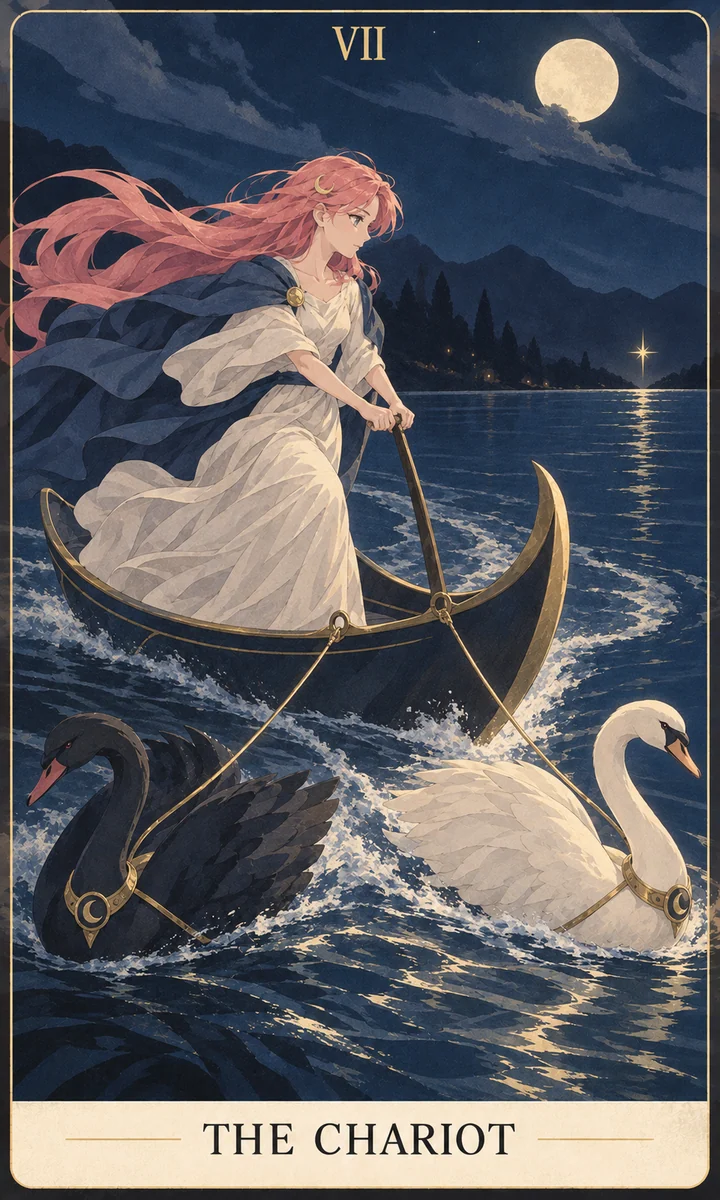
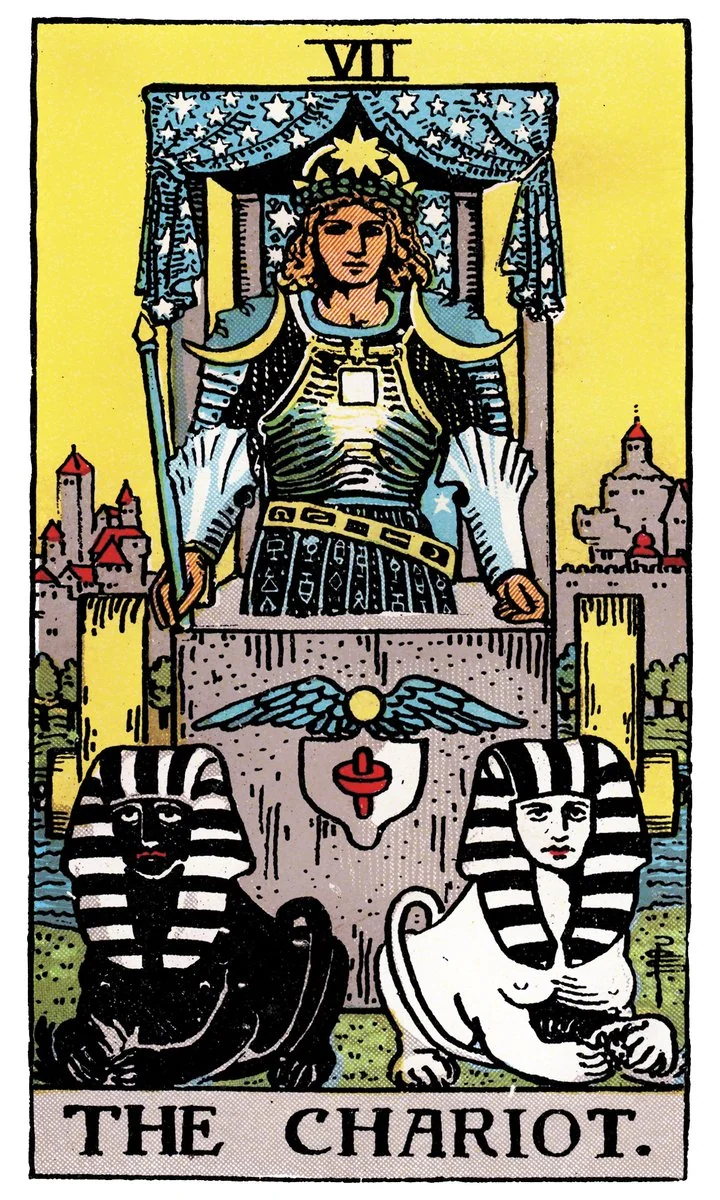
- determination
- focus
- willpower
- self-discipline
- clear direction
- Upright
- Upright, the Chariot means clear intent, firm boundaries and forward motion that comes from pulling different forces together.
- Reversed
- Reversed, the Chariot usually means a gap between what you intend, the energy you have and what you actually do: either inner conflict is stalling you, or you’re forcing a plan that isn’t ready.
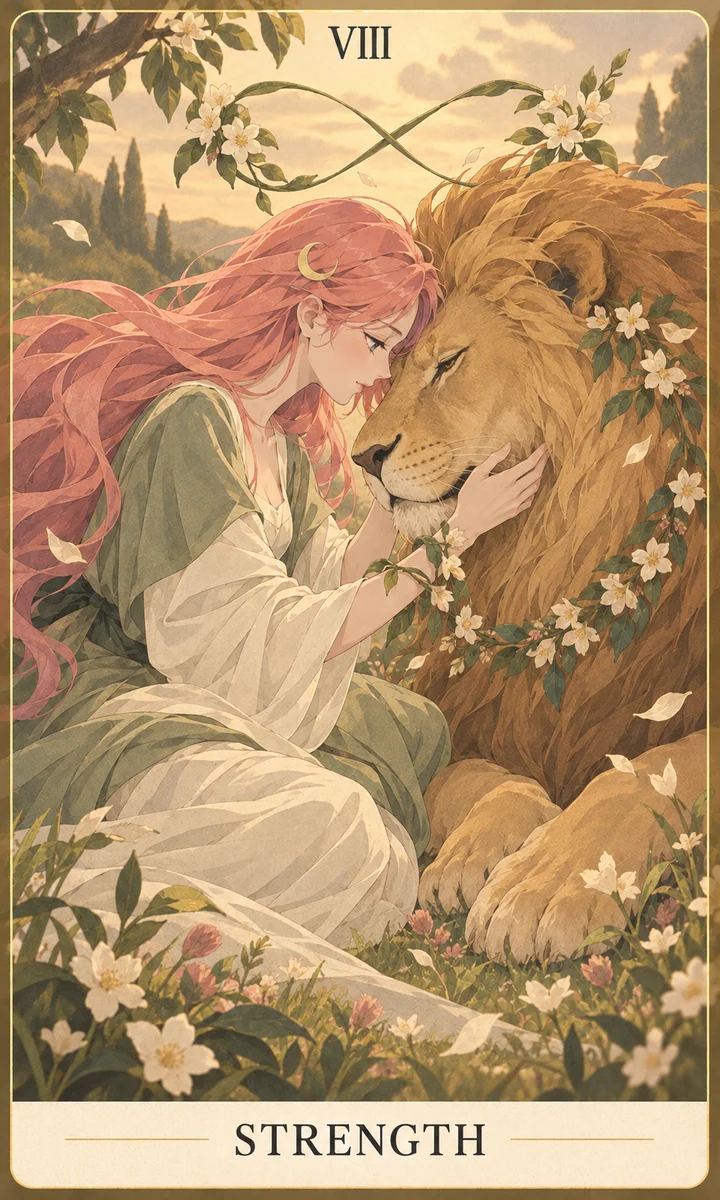
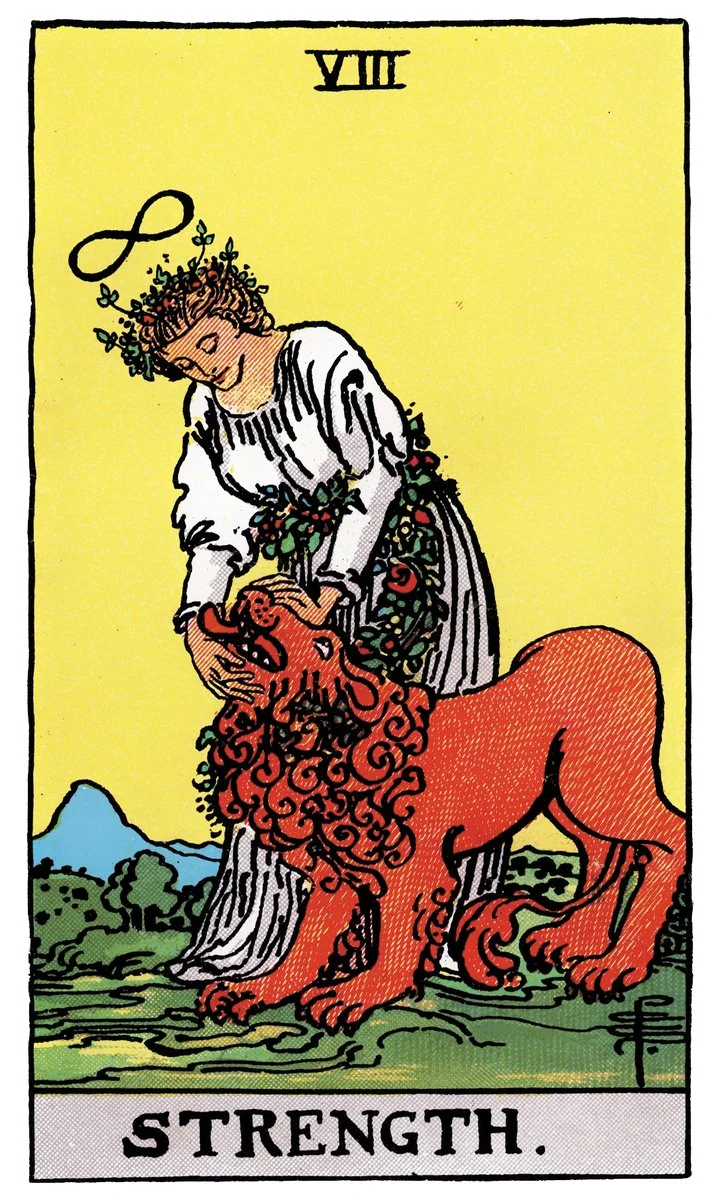
- inner strength
- courage
- patience
- compassion
- self-control
- Upright
- Upright, Strength means quiet confidence and the ability to handle difficult people or strong instincts calmly, leading through patience and persuasion rather than pressure.
- Reversed
- Reversed, Strength usually means your reserves are running low: self-doubt, exhaustion, or feelings held down for too long coming out as harsh, reactive control.
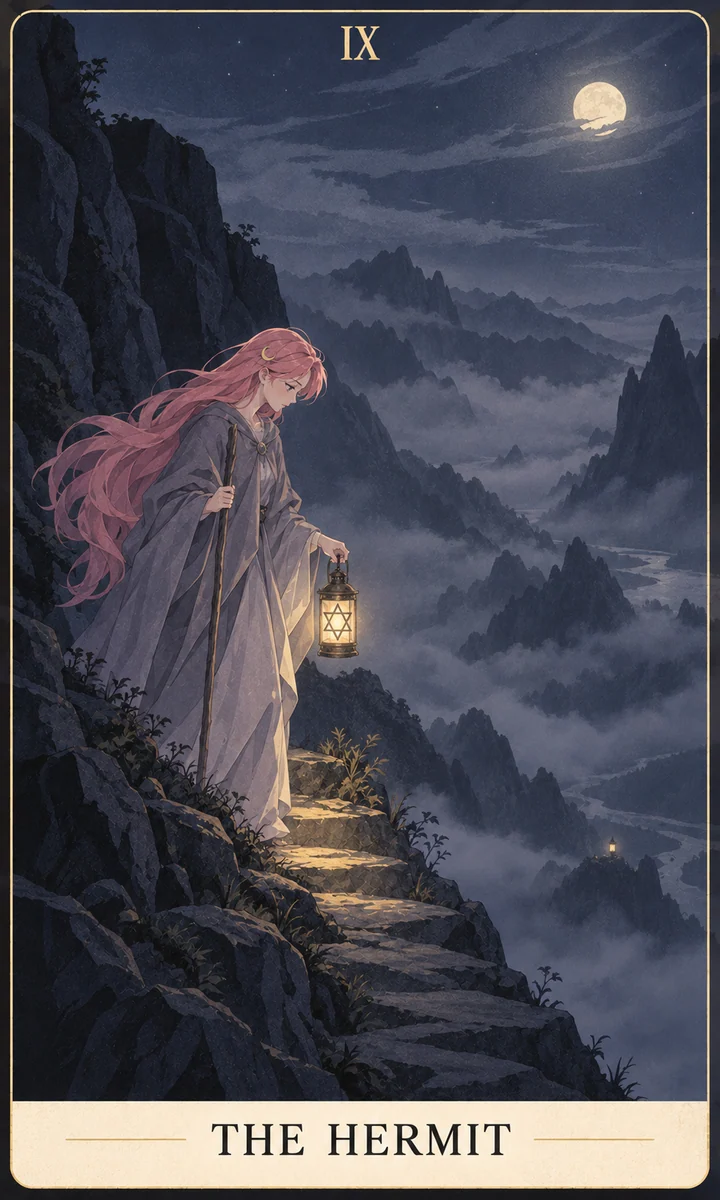
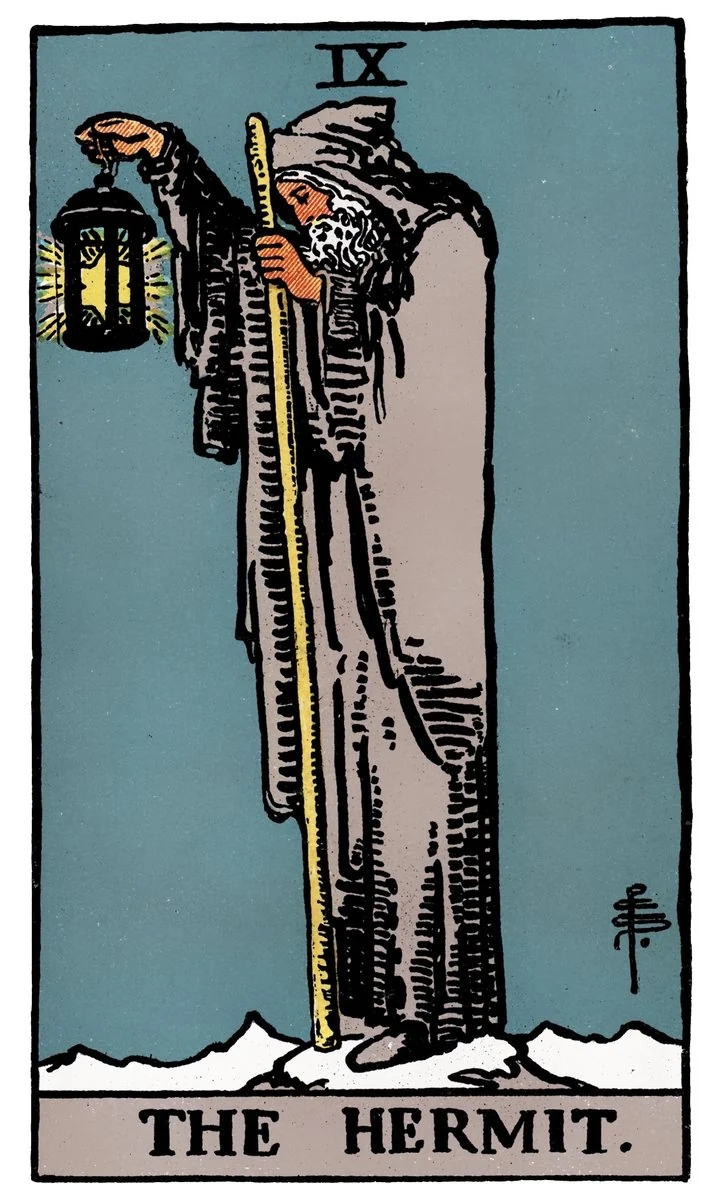
- soul-searching
- introspection
- solitude
- inner guidance
- careful study
- Upright
- Upright, the Hermit means a useful pause: time alone, careful thought and checking things for yourself until you’re ready to act.
- Reversed
- Reversed, the Hermit usually means your relationship with solitude is off balance: either time alone has hardened into isolation, or you’re avoiding it with constant noise and company.
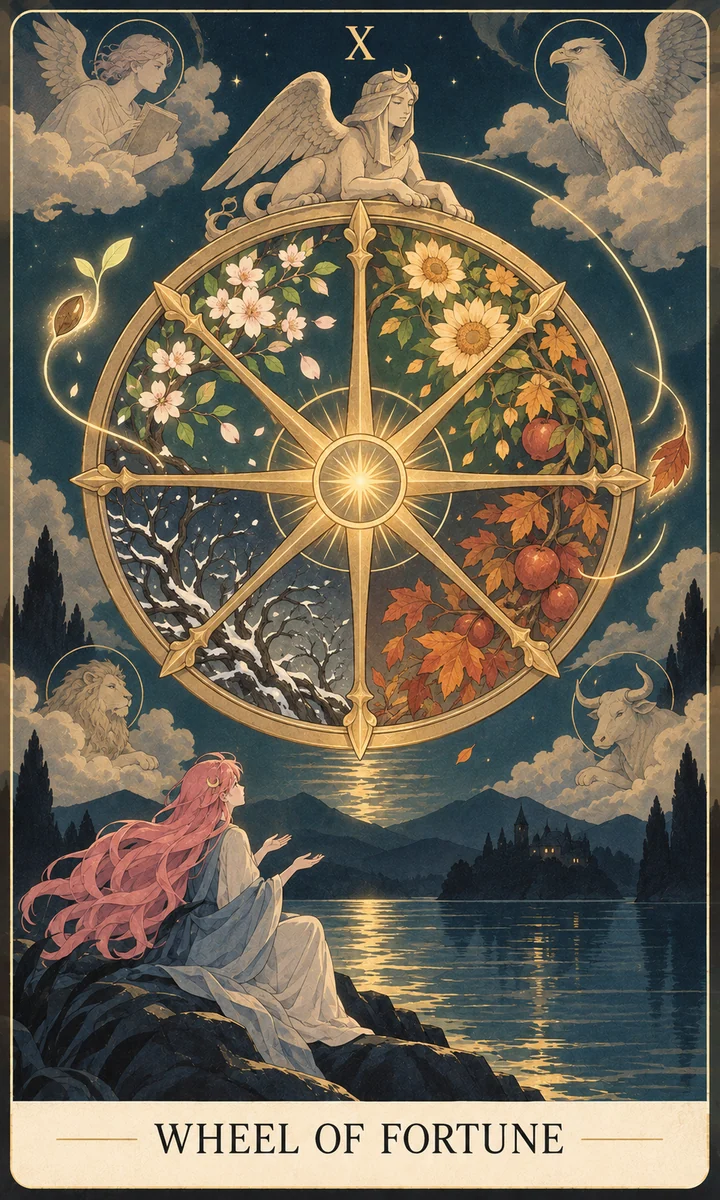
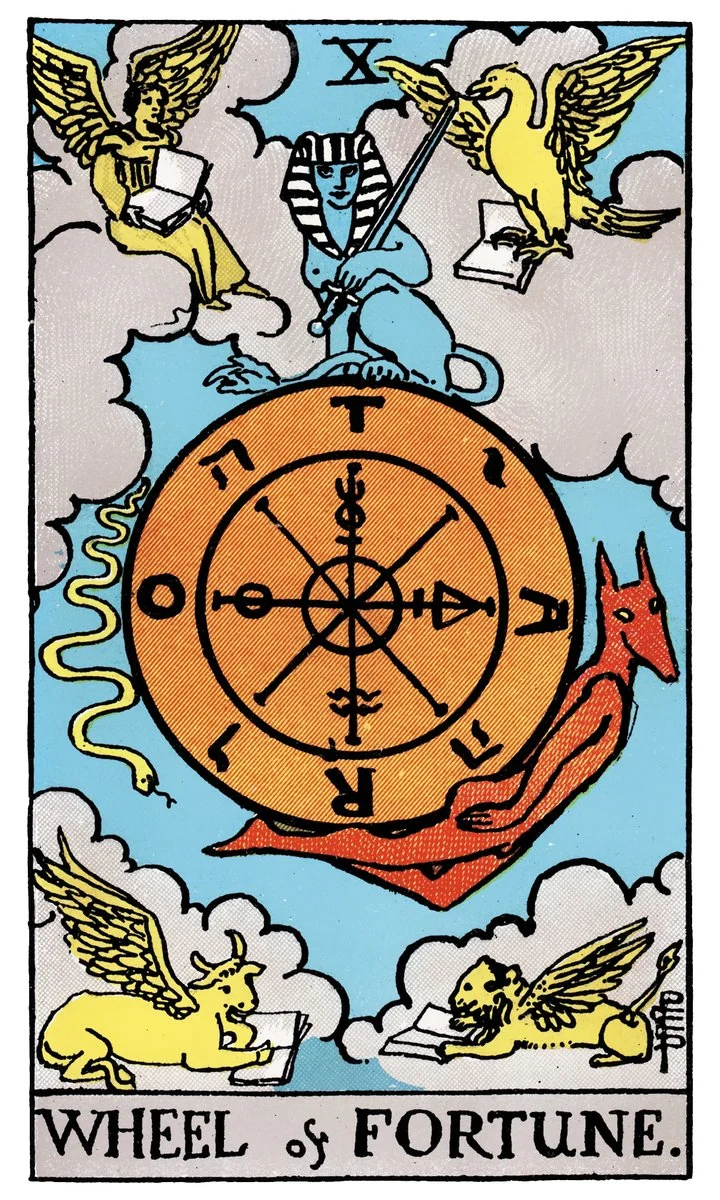
- change
- cycles
- a turning point
- good timing
- momentum
- Upright
- Upright, the Wheel of Fortune means things that felt stuck are starting to move, so watch the timing, adapt and step forward when the moment is right.
- Reversed
- Reversed, the Wheel of Fortune usually means you’re out of step with change: either the timing is working against you, or you’re holding on to an approach that no longer fits.
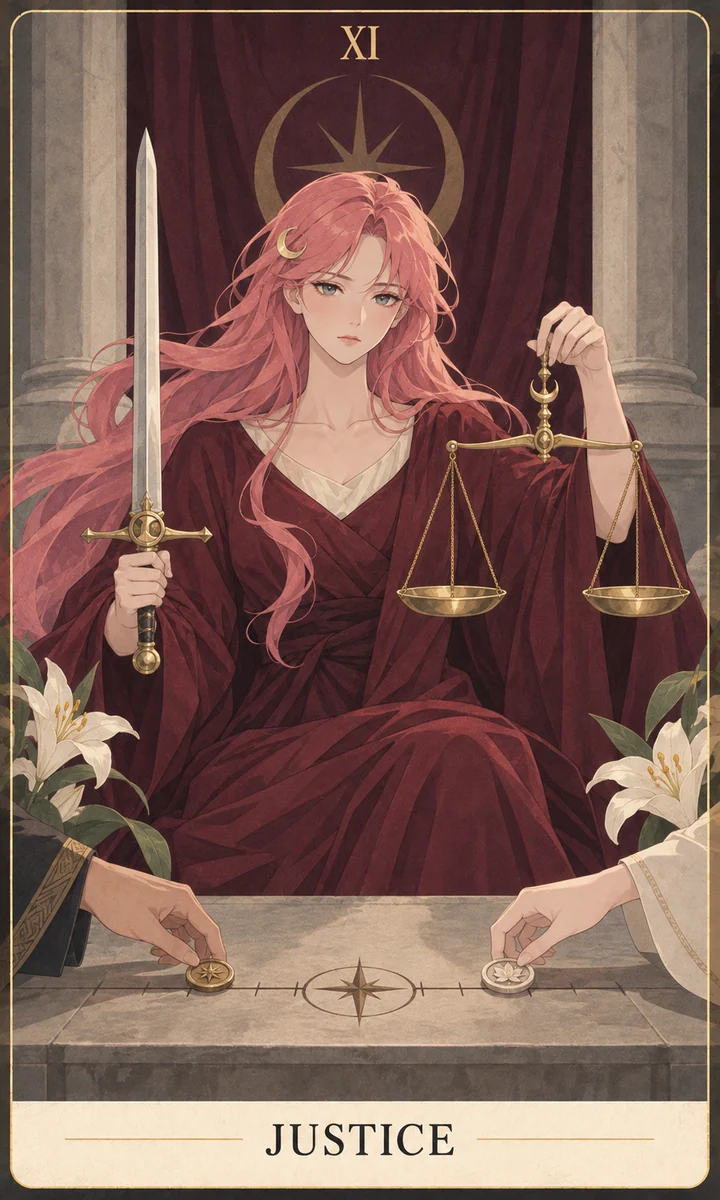
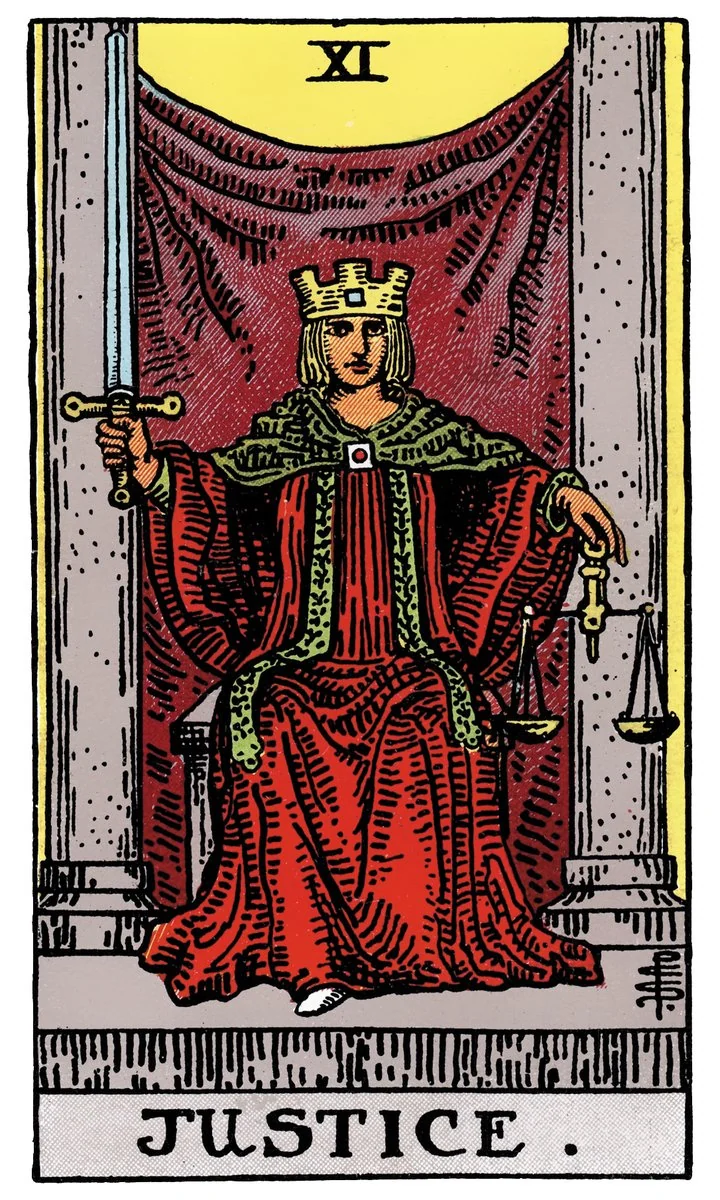
- fairness
- truth
- cause and effect
- accountability
- honest decisions
- Upright
- Upright, Justice means seeing clearly, acting fairly and getting outcomes that match past actions, so look at your situation honestly and keep your commitments.
- Reversed
- Reversed, Justice usually means something is out of balance: biased standards, hidden information, unadmitted mistakes or someone refusing to take responsibility.
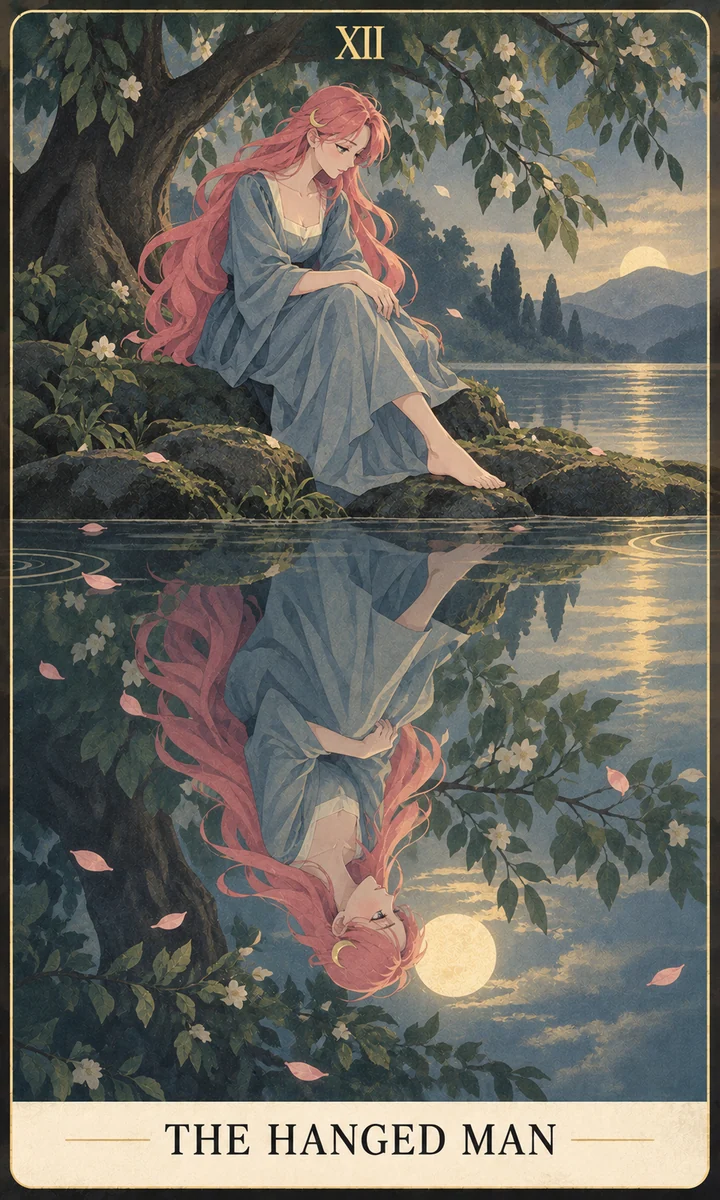
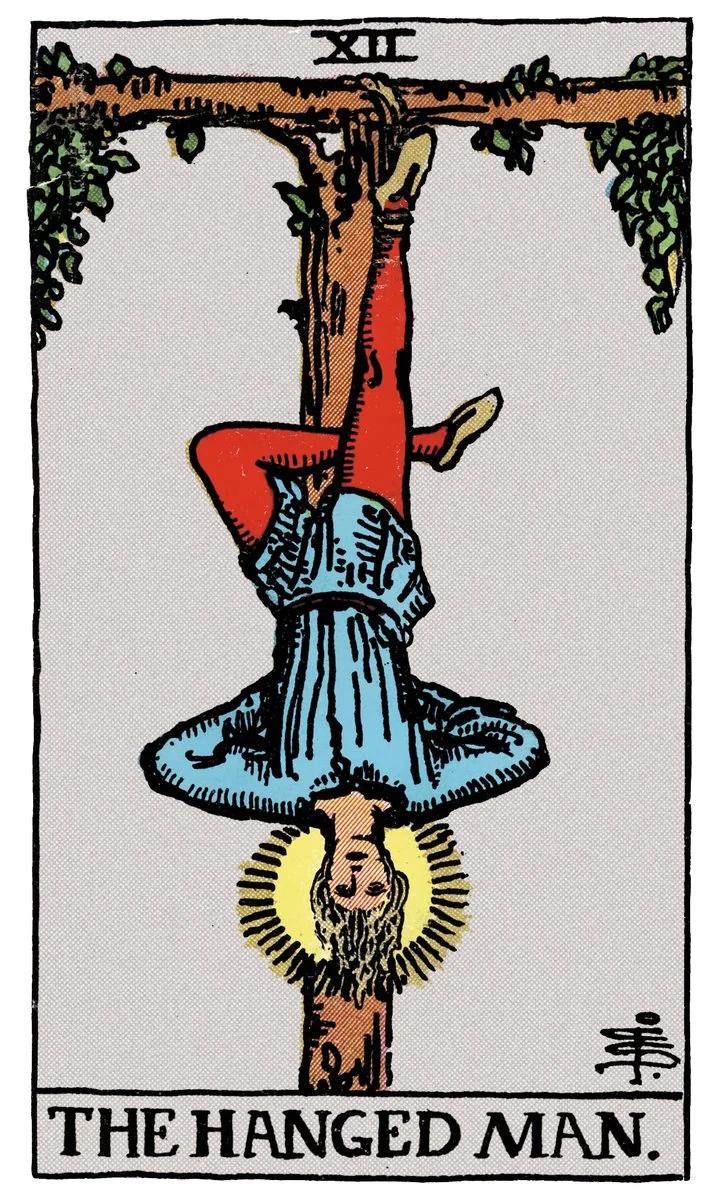
- a purposeful pause
- surrender
- a new perspective
- letting go of control
- patience
- Upright
- Upright, the Hanged Man means a pause that pays off: you step back from the struggle, stop forcing things and start questioning the assumptions that kept you stuck.
- Reversed
- Reversed, the Hanged Man usually means a pause that has lost its purpose, whether you’re resisting a compromise you can’t avoid or making sacrifices that lead nowhere.
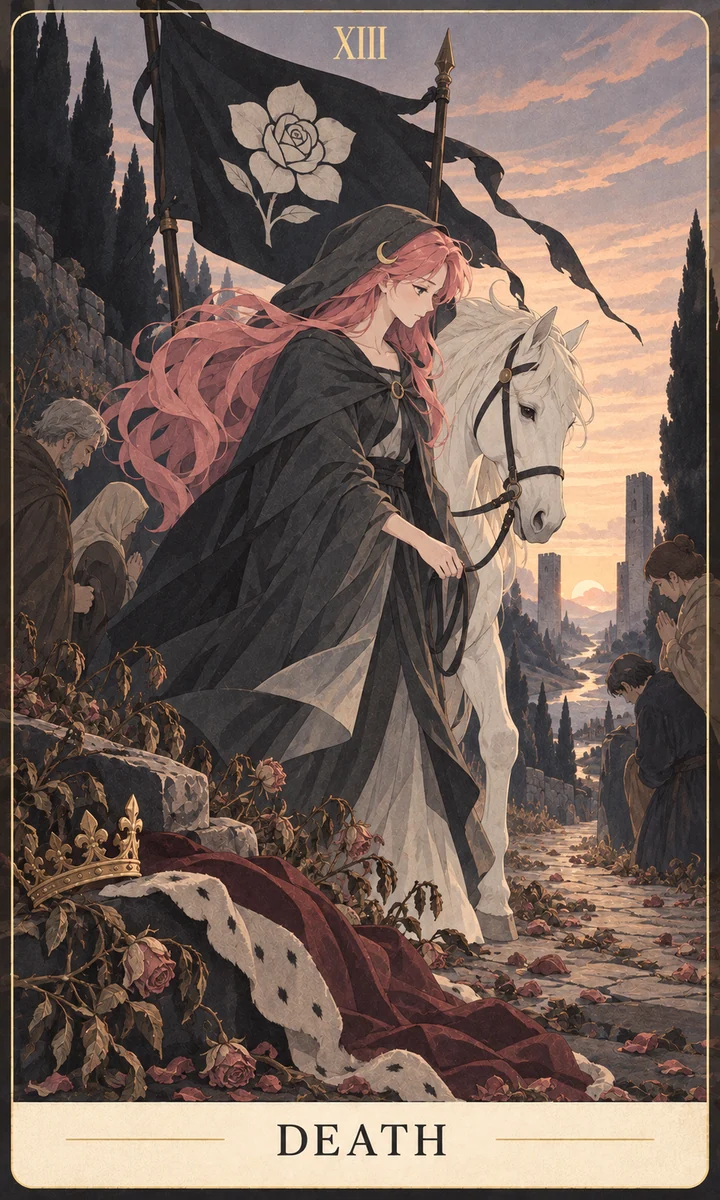
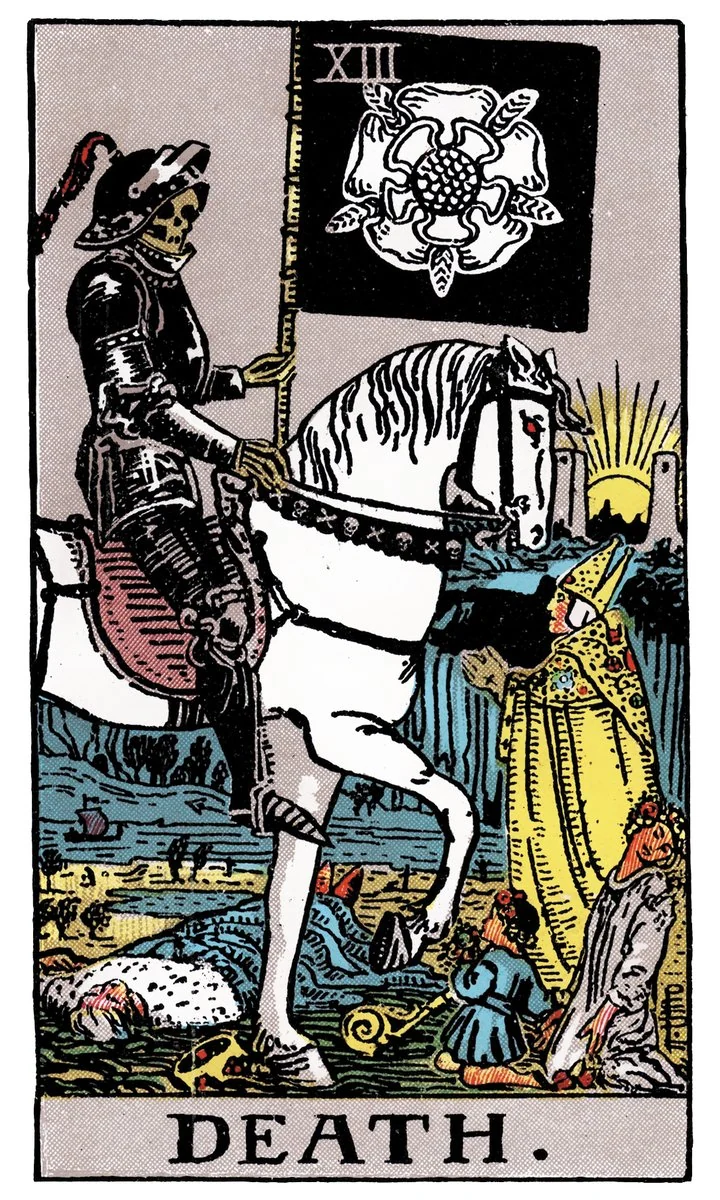
- endings
- transformation
- letting go
- closing a chapter
- transition
- Upright
- Upright, Death means a chapter is ending and needs to be carried through; it may bring grief, but it also lets you stop an exhausting pattern and put your time, energy and resources elsewhere.
- Reversed
- Reversed, Death usually means a blocked transition: the old situation is hard to sustain, but attachment, fear of loss or unfinished business keeps it in place, so the same problems keep coming back.
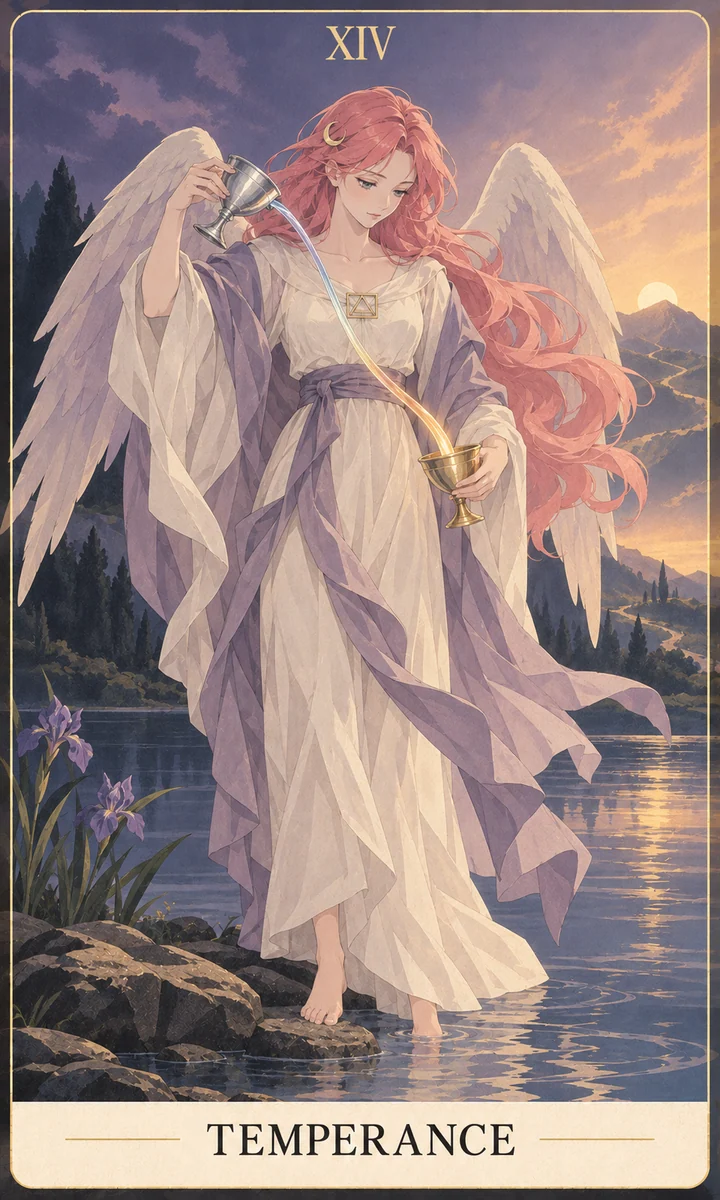
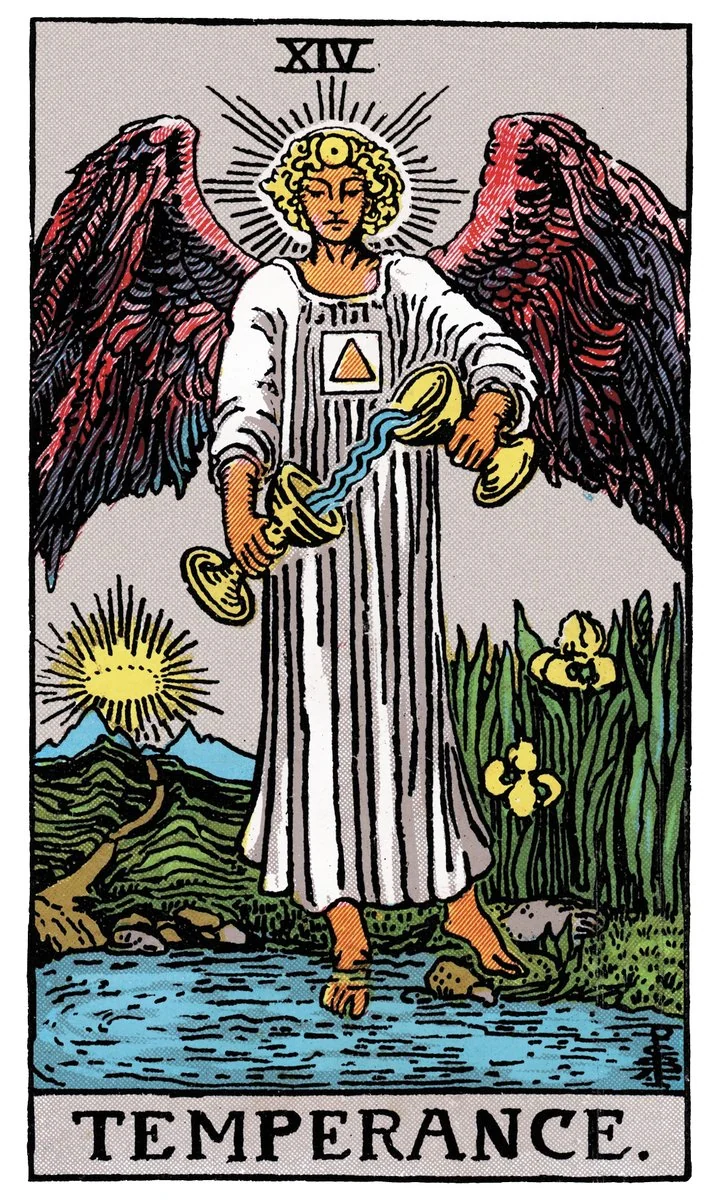
- balance
- moderation
- patience
- a steady pace
- compromise
- Upright
- Upright, Temperance means things that pull in different directions are finding common ground through patience, steady adjustment and a realistic pace.
- Reversed
- Reversed, Temperance usually means imbalance, bad timing or trying to force together things that clash right now.
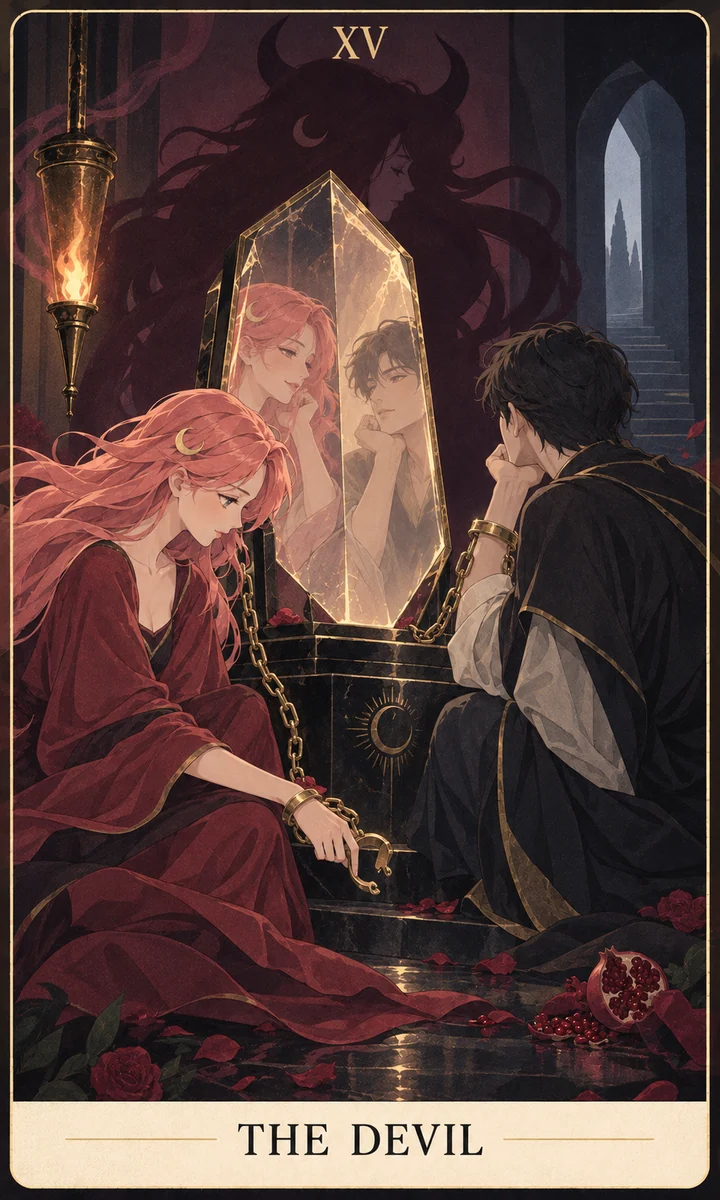
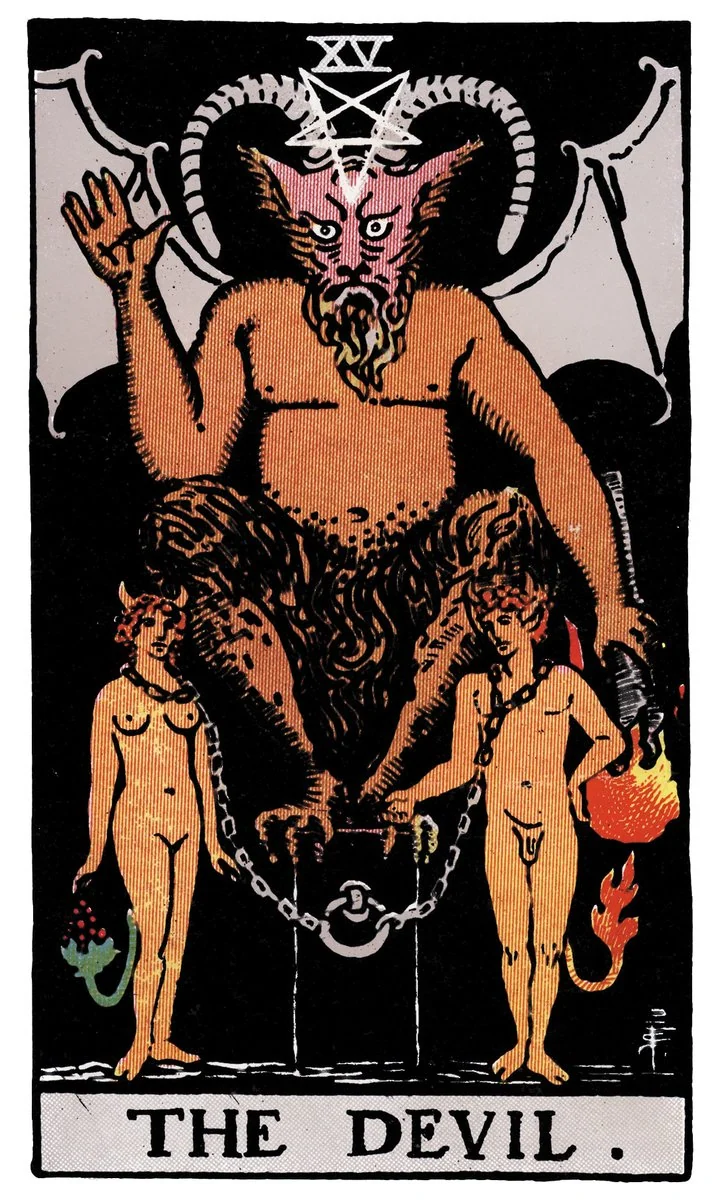
- attachment
- temptation
- dependency
- feeling trapped
- obsession
- Upright
- Upright, the Devil means a strong attachment, urge or unhealthy dynamic that you feel locked into, held in place by instant gratification or fear.
- Reversed
- Reversed, the Devil usually means the first steps toward breaking free: denial cracks, the unhealthy pattern comes into focus and you start testing boundaries, though undoing it fully takes steady effort.
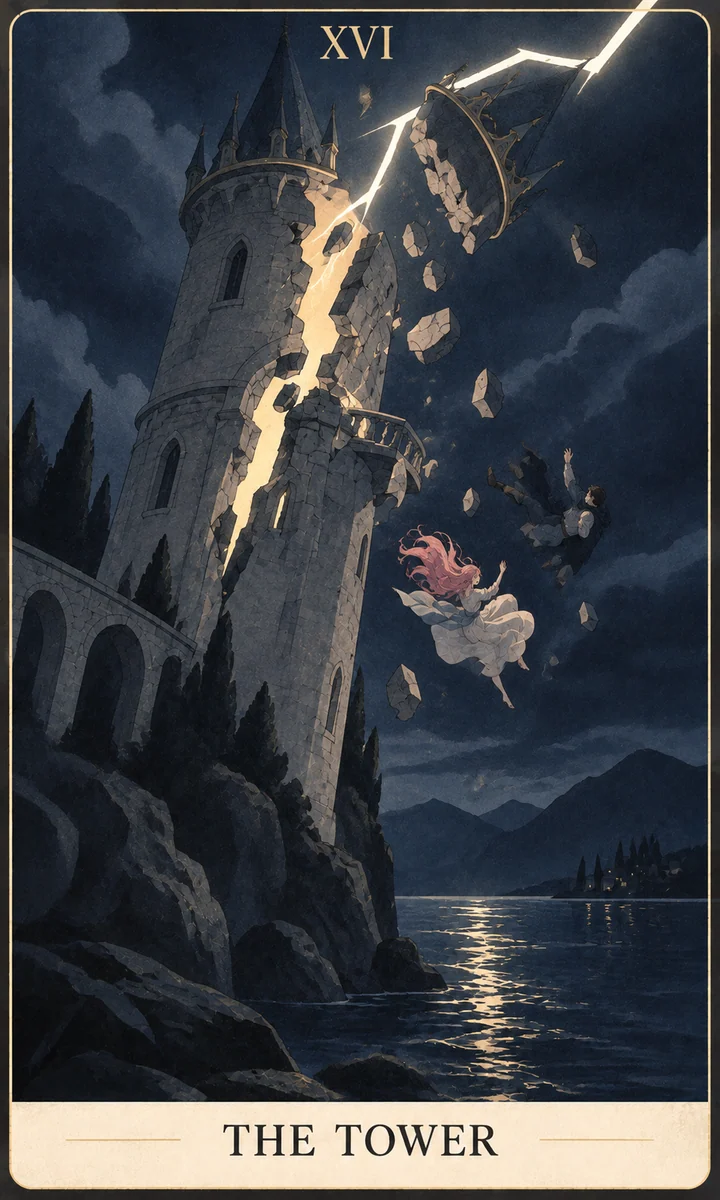
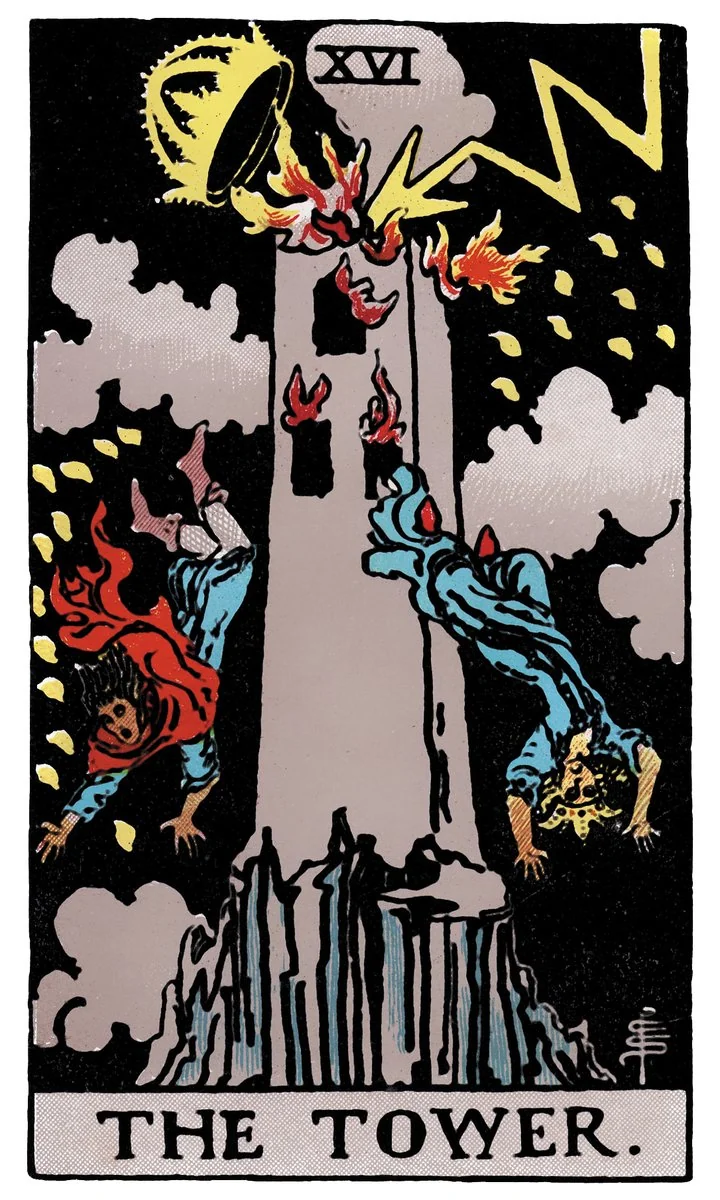
- sudden change
- upheaval
- revelation
- a shaky foundation
- shock
- Upright
- Upright, the Tower means a sudden event, honest disclosure or realization that brings down a situation that couldn’t last, and it asks you to face the facts without your usual defenses.
- Reversed
- Reversed, the Tower usually means a crisis that is happening on the inside, being put off or being defused by taking things apart before they fall.
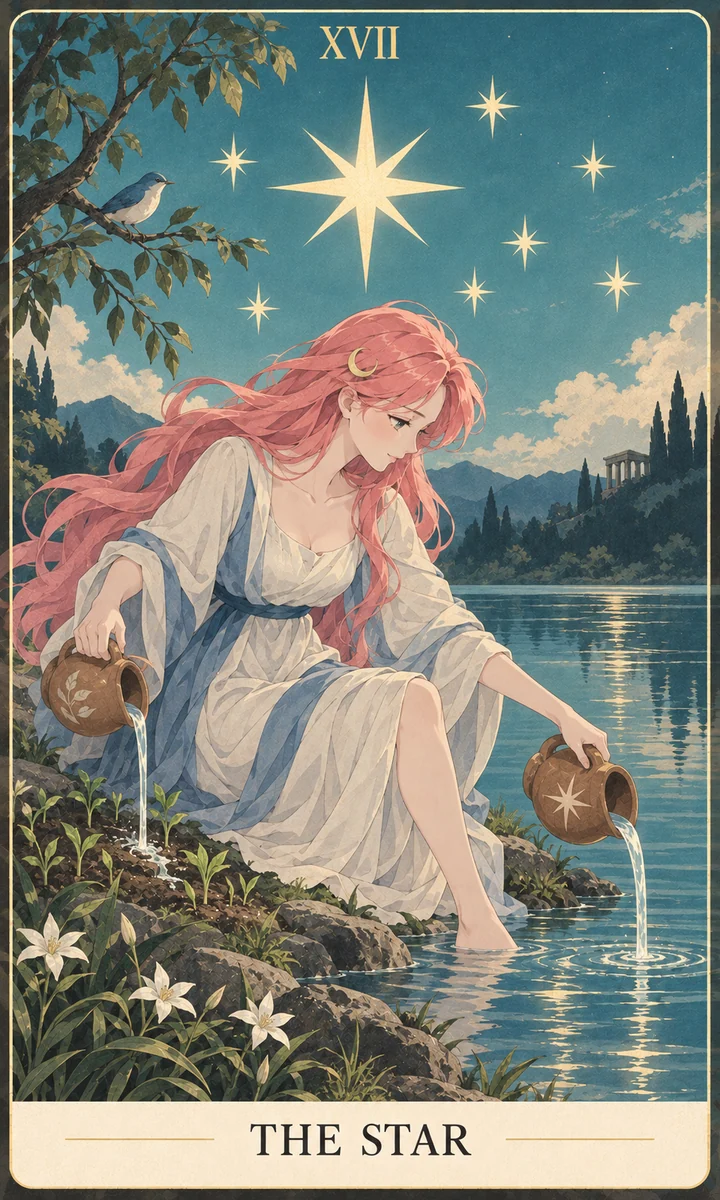
- hope
- healing
- renewal
- faith in the future
- self-trust
- Upright
- Upright, the Star means hope and trust are coming back: you can say what you want, accept support that lasts, and have enough energy to care for yourself and others.
- Reversed
- Reversed, the Star usually means hope is hard to hold onto: disappointment, self-doubt or long-term exhaustion make it feel as if nothing will come through, even when that isn’t the whole story.
- uncertainty
- intuition
- illusion
- anxiety
- mixed signals
- Upright
- Upright, the Moon usually means you don’t have the full picture yet: information is missing, things may not be what they seem, and your hopes or fears are coloring how you read the situation.
- Reversed
- Reversed, the Moon usually means confusion is lifting: you see through an illusion, notice what you overlooked and feel fear lose some of its hold, so both the misunderstanding and your own wishes and worries come into focus.
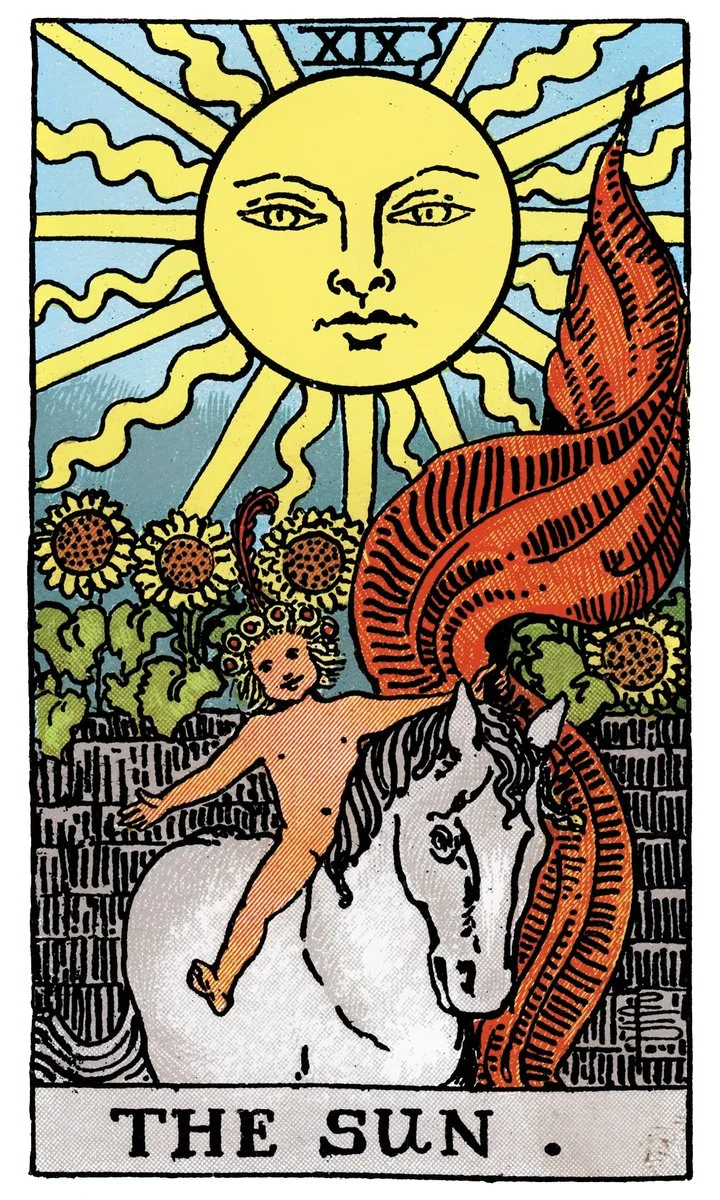
- joy
- success
- clarity
- warmth
- vitality
- Upright
- Upright, the Sun means good conditions and the ability to enjoy them, whether that shows up as progress you can point to or as the simple feeling of being happy and at ease.
- Reversed
- Reversed, the Sun usually means the joy or success it promises hasn’t fully arrived, either because the result fell short or because something is keeping you from enjoying it.
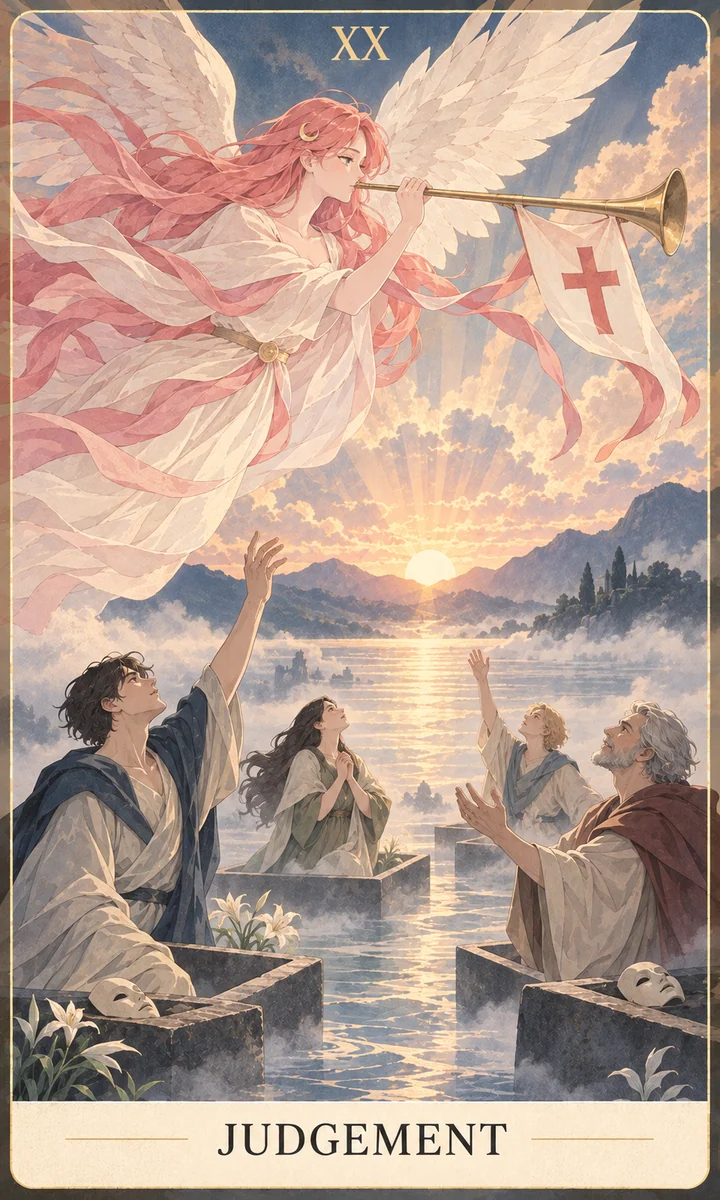
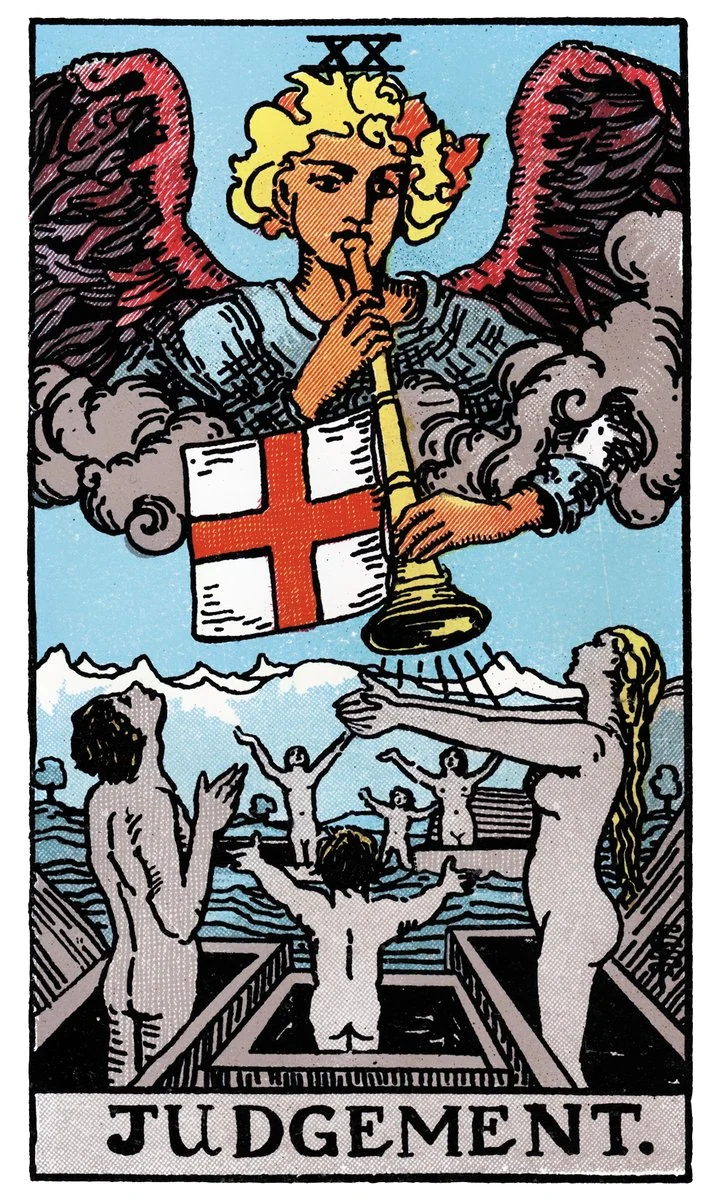
- awakening
- reckoning
- renewal
- answering a calling
- forgiveness
- Upright
- Upright, Judgement means a moment of clarity when your past choices add up to a clear direction, and you’re ready to take responsibility, accept what you’ve learned and move on without second-guessing.
- Reversed
- Reversed, Judgement usually means you’re stuck at an important crossroads, held back by harsh self-criticism, avoiding closure or refusing to act on what you already know is true.
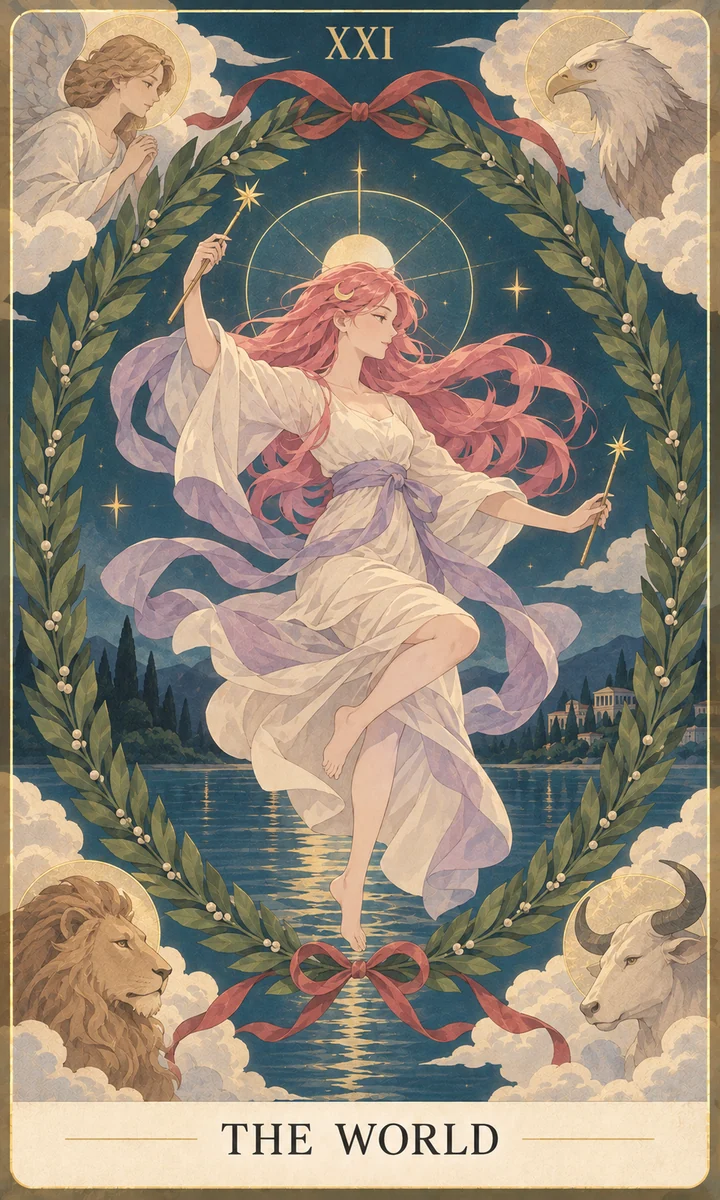
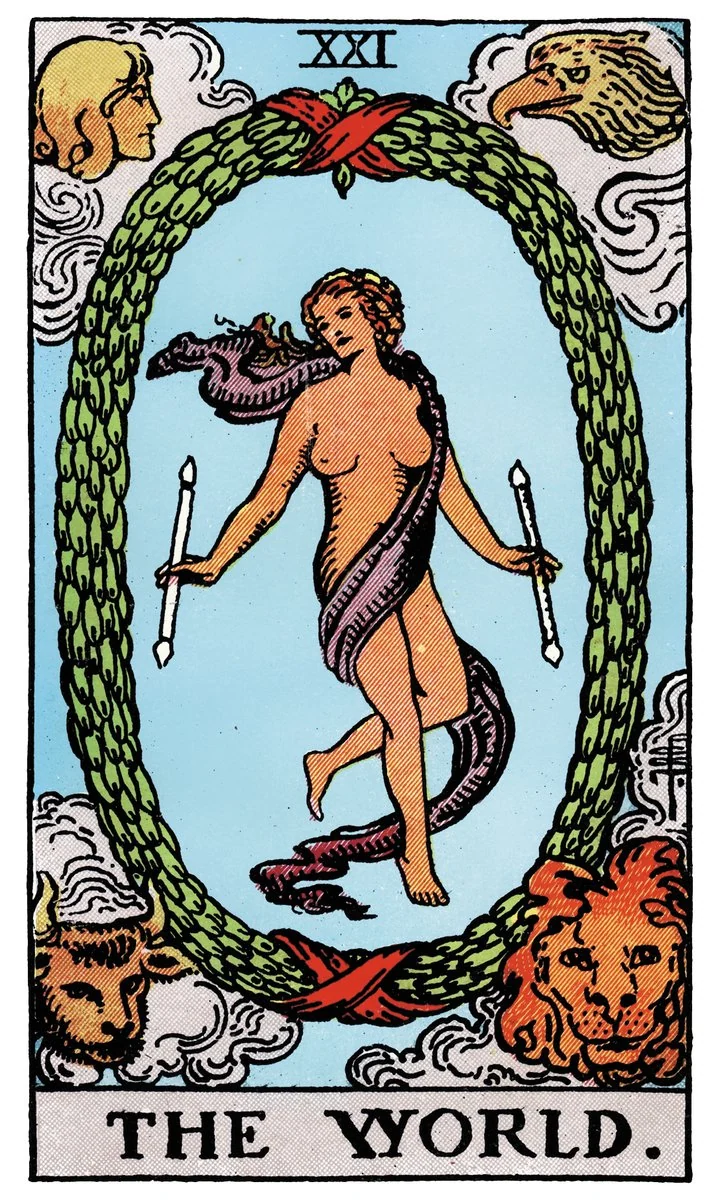
- completion
- achievement
- fulfillment
- wholeness
- a milestone reached
- Upright
- Upright, the World means a real achievement, a sense of wholeness and a major milestone reached, so you can celebrate the progress and step into the bigger space that’s opening for you.
- Reversed
- Reversed, the World usually means a cycle that isn’t quite finished, either because practical loose ends remain or because part of you isn’t ready to let the old chapter go.
The Fool’s Journey: how the 22 cards fit together
Modern tarot readers often group the 22 Major Arcana into “The Fool’s Journey”—a story in which The Fool (0) meets each of the other 21 archetypes in order. Dividing the sequence into three groups of seven cards makes it much easier to remember what each card does without memorizing 22 separate definitions.
1. Entering the world: tools, authority and first choices
After the open leap of The Fool (0), the first seven cards deal with growing up in the visible world: discovering personal agency and intuition, learning from parents, rules and institutions, and making the first real commitment to a person or a direction.
- 0 · The Fool: The traveler at the start: open, unscripted and ready to learn by doing.
- I · The Magician: Turning an idea into action with the tools already on the table.
- II · The High Priestess: Pausing before action to listen to intuition and what isn’t said out loud.
- III · The Empress: Care, creativity, sensory life and letting something grow at its natural pace.
- IV · The Emperor: Structure, clear boundaries, authority and long-term stability.
- V · The Hierophant: Shared traditions, teachers, institutions and proven rules.
- VI · The Lovers: A conscious choice about love, values and who or what you stand with.
- VII · The Chariot: Holding two competing pulls together and moving forward with discipline.
2. Turning inward: testing, change and self-knowledge
In the middle row, willpower alone is no longer enough. The traveler learns steady inner patience, steps back to question old goals, faces the turns of luck and fairness, and lets go of an outdated identity so a wiser balance can form.
- VIII · Strength: Quiet courage and steady self-control rather than force.
- IX · The Hermit: Stepping away from noise to find your own honest answer.
- X · The Wheel of Fortune: Cycles, shifting luck and how you respond when circumstances turn.
- XI · Justice: Cause and effect, fairness, truth and owning the results of a choice.
- XII · The Hanged Man: A deliberate pause that lets you see the problem from a different angle.
- XIII · Death: Closing a chapter that has run its course so the next one can begin.
- XIV · Temperance: Blending two extremes with patience until the pace feels sustainable.
3. Shadow, renewal and completion: returning whole
The final seven cards confront the deepest attachments and sudden upheaval, then rebuild from honesty into hope, navigate uncertainty, and step into clarity, calling and wholeness.
- XV · The Devil: Seeing the habits, desires or fears that keep you hooked.
- XVI · The Tower: A sudden break that clears away a shaky assumption or false security.
- XVII · The Star: Quiet hope, healing and steady trust after a storm.
- XVIII · The Moon: Moving through uncertainty, old fears and dreams without rushing for labels.
- XIX · The Sun: Warmth, vitality, plain truth and confidence that doesn’t need to hide.
- XX · Judgement: An honest reckoning with your past and a clear call to step into a new chapter.
- XXI · The World: Completion, integration and arriving at the end of a long cycle ready for the next.
How to read Major Arcana cards in a tarot spread
In a tarot spread, Major Arcana cards act like headlines while Minor Arcana cards supply the daily details. How you read them depends on how many show up and where they land:
Major Arcana in love and relationship readings
When a Major Arcana card appears in a love reading, the question usually touches more than a passing mood. The Lovers points to a real choice and shared values; The Empress and The Emperor contrast warmth with structure; The Devil flags an attachment or pattern that feels hard to break; and Death or The Tower marks a turning point where the old way of relating cannot continue unchanged.
Try a love tarot readingMajor Arcana in yes or no tarot questions
For yes-or-no questions, cards of clear movement, vitality and fulfillment—such as The Fool, The Magician, The Empress, The Chariot, The Star, The Sun and The World—lean Yes. Cards built around pauses, hidden facts or upheaval—such as The High Priestess, The Hermit, The Hanged Man, Death, The Devil, The Tower and The Moon—usually answer No or Maybe until a condition changes.
Ask a yes or no tarot questionWhat it means when you pull mostly Major Arcana cards
Drawing two or three Major Arcana cards in a three-card spread—or four or more in a Celtic Cross—means the situation is going through a major turning point. Pay less attention to small scheduling details and focus on the bigger shift in identity, priorities or relationship terms that the cards are naming.
Draw a 10-card Celtic Cross spreadWhat do reversed Major Arcana cards mean?
A reversed Major Arcana card is one that turns up upside down. It does not flip a good card into doom or make a hard card painless. Instead, it shows that a major life theme is meeting resistance, playing out privately inside you, or swinging too far in one direction.
For example, Death upright points to an ending you are walking through; Death reversed often means you already know a chapter is over, but fear or habit is keeping you from letting go. The Sun upright is open confidence and clarity; reversed, the warmth is still there, yet self-doubt or unrealistic expectations are clouding your view of it.
Major Arcana vs. Minor Arcana
Understanding the difference between Major and Minor Arcana helps you weigh each card properly in a reading:
| Feature | Major Arcana | Minor Arcana |
|---|---|---|
| Number of cards | 22 cards (numbered 0 to XXI) | 56 cards (4 suits of 14 cards) |
| Structure | A continuous sequence of 22 archetypes | Four suits—Wands, Cups, Swords, Pentacles—from Ace to 10 plus Page, Knight, Queen and King |
| What they describe | Turning points, core life themes, values and long-term shifts | Everyday actions, feelings, conversations, work and practical choices |
| Role in a spread | Sets the big-picture ”why” of the situation | Shows ”how” and ”where” the theme plays out day to day |
If a spread has no Major Arcana cards at all, the reading isn’t less important—it simply means the matter is in your everyday hands, shaped by practical choices, habits and communication rather than a sweeping life upheaval.
Major Arcana tarot FAQ
How many Major Arcana cards are in a tarot deck?
There are 22 Major Arcana cards in a standard 78-card tarot deck. They start at card 0, The Fool, and run through Roman numerals I (The Magician) to XXI (The World). The remaining 56 cards make up the Minor Arcana.
What are the 22 Major Arcana cards in order?
In standard Rider–Waite–Smith order, the 22 Major Arcana cards are: 0 The Fool, I The Magician, II The High Priestess, III The Empress, IV The Emperor, V The Hierophant, VI The Lovers, VII The Chariot, VIII Strength, IX The Hermit, X Wheel of Fortune, XI Justice, XII The Hanged Man, XIII Death, XIV Temperance, XV The Devil, XVI The Tower, XVII The Star, XVIII The Moon, XIX The Sun, XX Judgement and XXI The World.
Why is Strength card VIII and Justice card XI?
Older Marseille tarot decks placed Justice at VIII and Strength at XI. In 1909, Arthur Edward Waite and Pamela Colman Smith swapped the two in the Rider–Waite–Smith deck to match Golden Dawn astrological correspondences (pairing Leo with Strength and Libra with Justice). Most modern English tarot guides follow the Rider–Waite order.
What does it mean to get a lot of Major Arcana cards in a reading?
When most of the cards in a spread are Major Arcana, the question touches a significant life transition rather than a routine decision. Multiple Major Arcana cards highlight forces, values or turning points that ask you to adjust your direction, rather than small day-to-day tactics.
Are Death, The Devil and The Tower bad cards to pull?
No. Death almost never predicts physical death; it points to a necessary ending so a new chapter can start. The Tower clears away something unstable or false, and The Devil shines a light on habits or attachments you can begin to untangle once you see them honesty. In context, these cards often bring relief and clarity.
Can you do a tarot reading using only the 22 Major Arcana cards?
Yes. Reading with only the 22 Major Arcana is a traditional method—common in Marseille tarot and helpful for beginners—when you want a clear view of the main theme or spiritual lesson of a situation. Add the 56 Minor Arcana back in when you want practical detail about timing, work, communication or daily steps.